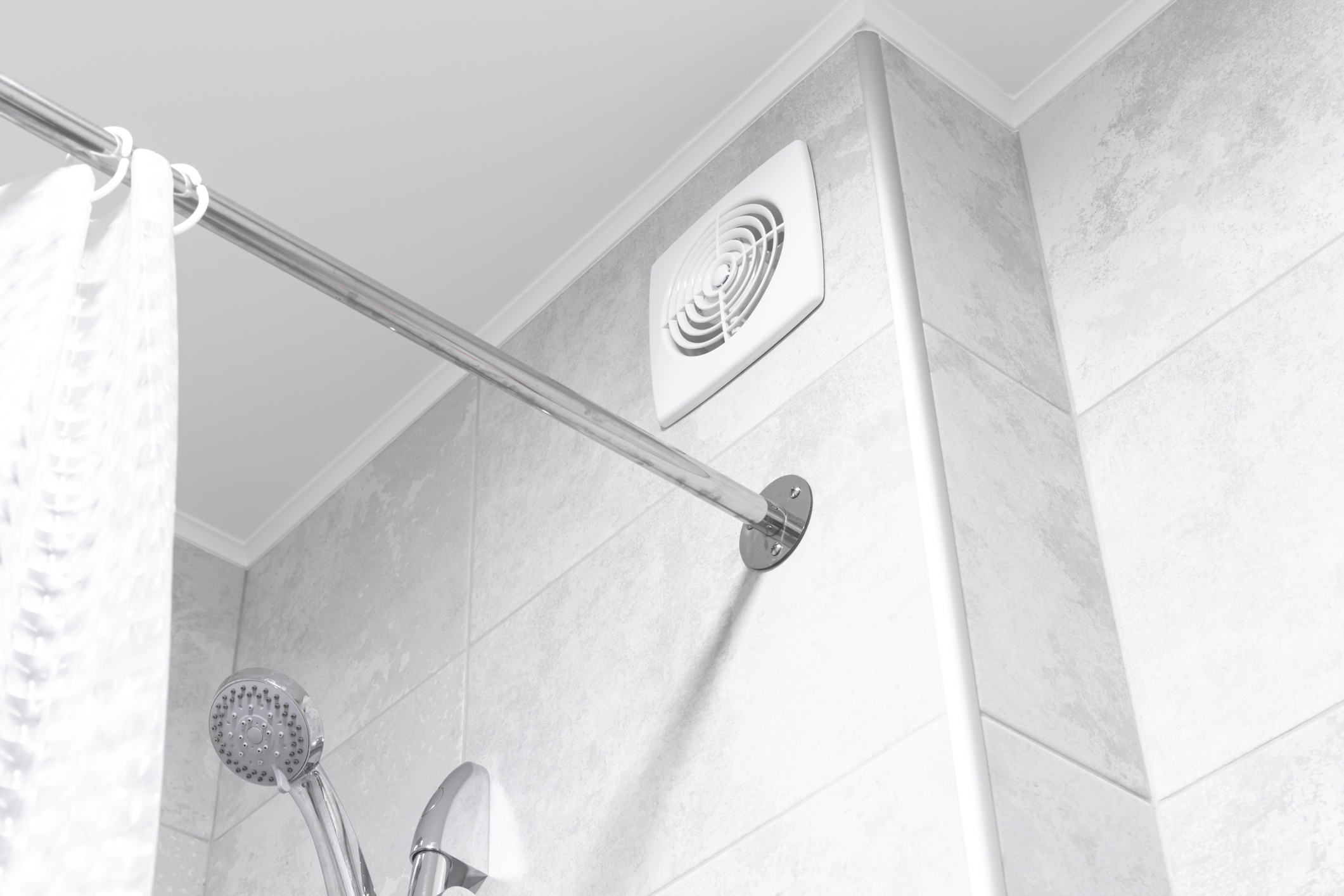
A bathroom extractor fan is essential in UK homes where moisture levels are naturally high due to regular use of hot water and limited ventilation. Without a properly installed bathroom extractor fan, condensation quickly builds up, leading to mould, damp and long-term structural damage. Whether you are upgrading an existing system or installing one for the first time, understanding how a bathroom extractor fan works and how it should be installed will help you make the right decision.
Do You Need a Bathroom Extractor Fan in the UK?
In many cases, yes. UK Building Regulations require adequate ventilation in bathrooms, especially where there is no window. While a window can help, it is often not enough to manage moisture effectively, particularly during winter when windows remain closed.
A bathroom extractor fan becomes essential when:
- The bathroom has no external window
- Condensation builds up after showers or baths
- Mould appears on ceilings, grout or silicone
- Paint begins to peel or surfaces feel damp
In real homes, this is extremely common. For example, many modern extensions or en-suites rely entirely on mechanical ventilation. Without a properly functioning bathroom extractor fan, these spaces quickly develop mould issues within months.
How a Bathroom Extractor Fan Works
A bathroom extractor fan removes moist air from the room and vents it outside. This prevents humidity from settling on surfaces and reduces the risk of damp.
There are several types of bathroom extractor fan commonly used in UK properties:
Axial Fans
Best suited for short duct runs, such as when the fan is installed directly through an external wall. These are common in smaller bathrooms.
Centrifugal Fans
More powerful and better suited to longer duct runs, such as ceiling installations venting through a loft space.
Inline Fans
Installed within the ducting rather than on the wall or ceiling. These are quieter and often used in higher-end installations where noise reduction is important.
In practice, choosing the wrong type of bathroom extractor fan is one of the most common issues. For example, installing a basic axial fan in a bathroom with a long duct run often results in poor airflow and ongoing condensation problems.
How Bathroom Extractor Fan Installation Works
Bathroom extractor fan installation involves both electrical work and ventilation planning. It is not simply a case of fitting a unit to the wall.
A typical installation process includes:
- Assessing the bathroom size and layout
- Calculating the required extraction rate
- Selecting the appropriate fan type
- Planning ducting routes to an external exit point
- Installing the fan and ducting system
- Wiring the unit safely to the electrical supply
- Testing airflow and operation
Most bathroom extractor fan systems are wired to operate with the light switch. In many homes, a timer is added so the fan continues running for 15 to 30 minutes after the light is turned off.
More advanced systems use humidity sensors, which automatically activate the fan when moisture levels rise. This is particularly useful in busy households where ventilation is often overlooked.
Can You Install a Bathroom Extractor Fan Yourself?
Technically, some aspects may appear straightforward, but in reality, bathroom extractor fan installation is not a typical DIY job.
This is because:
- Bathrooms are classed as special electrical zones
- Work must comply with Part P of Building Regulations
- Incorrect wiring can pose serious safety risks
- Poor ducting design can cause condensation in loft spaces
A common issue seen in DIY installations is ducting that is too long or poorly insulated. This can lead to moisture collecting in the duct itself, eventually dripping back into the bathroom or causing damp in the roof space.
How Much Does Bathroom Extractor Fan Installation Cost?
Costs vary depending on the type of fan and complexity of the installation.
Typical UK pricing:
- Simple replacement: £150 to £300
- New installation through wall: £250 to £400
- Ceiling installation with loft ducting: £350 to £600+
- Factors that influence cost include:
- Accessibility of the installation area
- Length and routing of ducting
- Type of fan selected
- Electrical work required
For example, installing a bathroom extractor fan in a ground floor flat with direct wall access will be far cheaper than installing one in a first-floor bathroom requiring loft access and roof venting.
Choosing the Right Bathroom Extractor Fan
Getting the right extractor fan is crucial for long-term performance.
Extraction Rate
UK guidelines recommend a minimum of 15 litres per second. Larger bathrooms may require higher extraction rates.
Noise Levels
Some cheaper fans can be quite loud, which can be disruptive, especially at night.
Timer vs Humidity Sensor
Timer fans run for a set period after use
Humidity sensors activate automatically when needed
Humidity-controlled fans are often the better long-term option.
Location
Wall-mounted fans are simpler, while ceiling or inline systems are better for more complex layouts.
Common Problems with Bathroom Extractor Fans
Even with an extractor fan installed, issues can occur.
Common real-world problems include:
- Fan running but not removing moisture effectively
- Loud or vibrating operation
- Fan not switching off due to wiring faults
- Mould still appearing despite ventilation
These issues are usually linked to poor installation or incorrect fan selection rather than the fan itself.
Maintaining Your Bathroom Extractor Fan
Regular maintenance ensures your bathroom extractor fan continues to work effectively.
Basic upkeep includes:
- Cleaning dust from the fan grille
- Checking airflow is unobstructed
- Inspecting ducting for blockages or damage
- Testing operation regularly
Neglecting maintenance can reduce performance over time, even if the fan is correctly installed.
Why Professional Installation Matters
A bathroom extractor fan is a small component with a big impact. When installed properly, it protects your home from moisture damage and improves air quality.
Professional installation ensures:
- Correct fan selection for your property
- Safe and compliant electrical work
- Effective airflow and moisture removal
- Long-term reliability
This avoids the common cycle of replacing ineffective fans without solving the underlying issue.
Frequently Asked Questions
Q1: Do I need an extractor fan if I have a window?
A window helps, but it is not always enough. A bathroom extractor fan provides consistent ventilation regardless of weather or usage habits.
Q2: How long should an extractor fan run?
Typically 15 to 30 minutes after use. This ensures all moisture is removed from the air.
Q3: What size extractor fan do I need?
This depends on room size, but the minimum recommended rate is 15 litres per second.
If your bathroom suffers from condensation or poor ventilation, installing the right bathroom extractor fan can make a significant difference.
For expert installation and advice:
- Phone: 07789 214528
- Email: mike.thomas@bigfishea.co.uk
- Find out more: https://bigfishea.co.uk/
For reliable electrical work in Portsmouth and beyond, get in touch. https://bigfishea.co.uk/contact/
Or find us on Checkatrade: https://www.checkatrade.com/trades/bigfishealtd