A domestic electrician is responsible for keeping your home’s electrical system safe, compliant and working reliably. With the rise of DIY content online, more homeowners are attempting electrical work themselves. While some basic tasks are manageable, many jobs require the skill and certification of a domestic electrician. Understanding where the line is between DIY and professional work is critical for both safety and legal compliance.
Can You Legally Do Your Own Electrical Work in the UK?
In the UK, you are allowed to carry out certain minor electrical tasks yourself. However, more complex work falls under Part P of the Building Regulations and must be carried out or certified by a qualified domestic electrician.
Generally acceptable DIY tasks include:
- Replacing light fittings
- Changing sockets or switches like-for-like
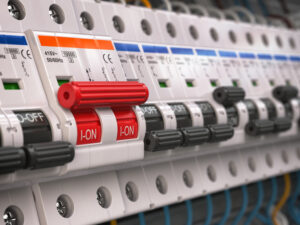
- Resetting circuit breakers
- However, notifiable work includes:
- Installing new circuits
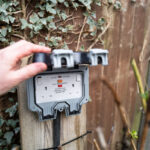
- Work in bathrooms or outdoor areas
- Consumer unit replacements
- Significant alterations to existing wiring
In real-world situations, many homeowners unintentionally cross this line. For example, adding an outdoor socket or installing new lighting in a bathroom may seem straightforward, but both fall under regulated work.
What Does a Domestic Electrician Actually Do?
A domestic electrician handles a wide range of electrical services within residential properties. Their role is not just installation, but also ensuring systems remain safe and compliant over time.
Typical work carried out by a domestic electrician includes:
- Installing new electrical systems in extensions or renovations
- Fault finding and repairs
- Consumer unit upgrades
- Full or partial rewiring
- Lighting design and installation
- Electrical testing and certification
They are trained to identify issues that may not be visible to an untrained eye, such as overloaded circuits or deteriorating wiring hidden within walls.
When Should You Hire a Domestic Electrician?
There are many situations where calling a domestic electrician is the safest and most cost-effective option.
You should always hire a professional if:
- Your circuits trip frequently
- Lights flicker or dim without explanation
- You smell burning near sockets or switches
- You are planning renovations or installing new appliances
- Your property has old or unknown wiring
- You are upgrading your fuse board
For example, a homeowner experiencing regular circuit trips may assume it is a faulty appliance. In reality, it could be an overloaded circuit or deteriorating wiring, which requires proper diagnosis by a domestic electrician.
What Electrical Jobs Are Safe to Do Yourself?
Some basic electrical tasks are considered low risk if carried out carefully and correctly.
Examples include:
- Replacing a faulty light fitting
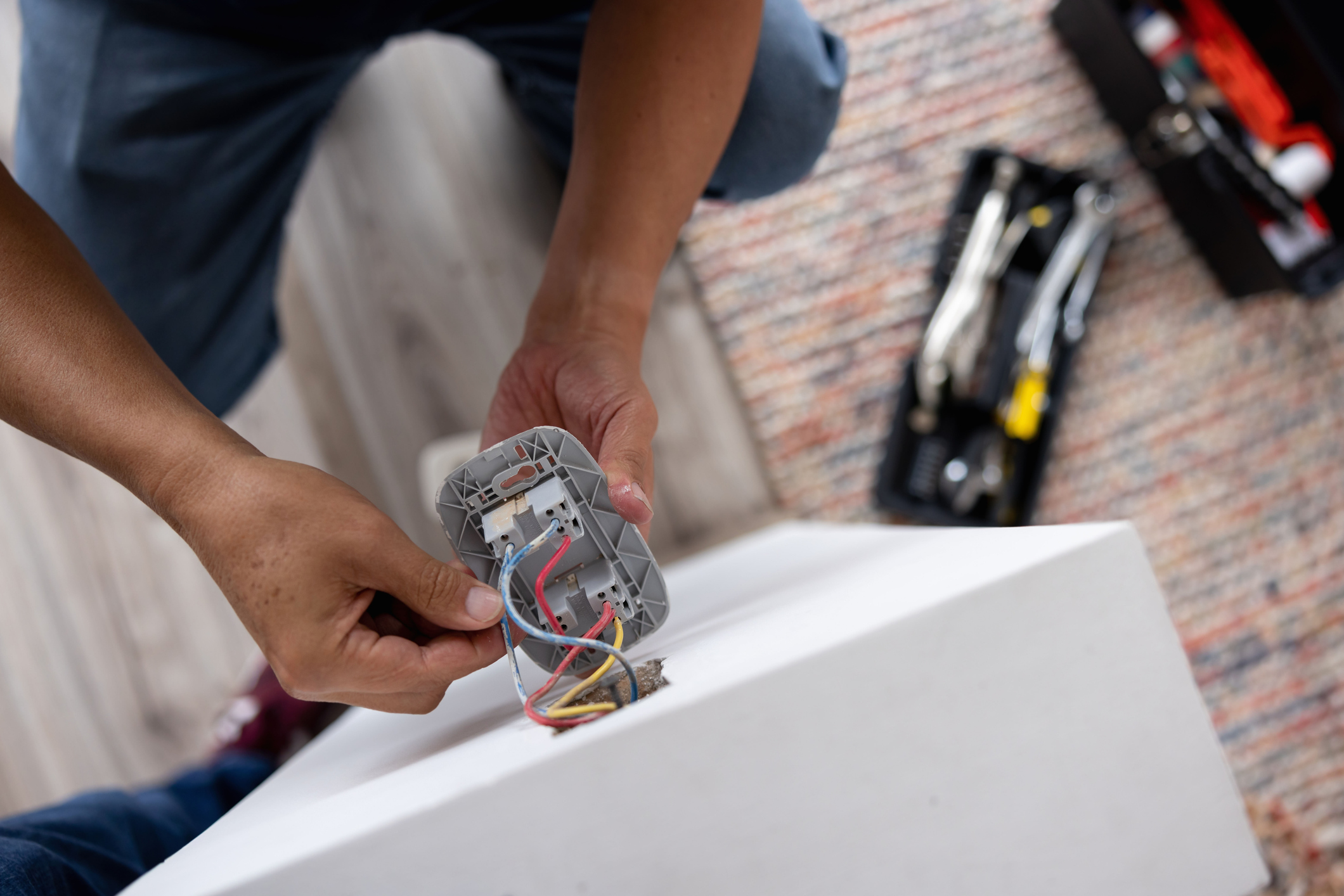
- Swapping a damaged socket front
- Installing a like-for-like switch
Even for these tasks, safety is essential. Always isolate power at the consumer unit and double-check circuits before starting work.
However, even simple mistakes such as loose connections can lead to overheating or long-term faults, which is why many homeowners still prefer to use a domestic electrician for peace of mind.
The Risks of DIY Electrical Work
DIY electrical work can lead to serious consequences, especially when dealing with wiring or circuits.
Common risks include:
- Electric shock or injury
- Increased fire risk due to faulty wiring
- Damage to appliances or circuits
- Non-compliance with UK regulations
- Issues when selling the property
A common real-world example is poorly installed sockets that appear to work fine initially but overheat over time, eventually causing damage or posing a fire risk.
How Much Does a Domestic Electrician Cost?
The cost of hiring a domestic electrician varies depending on the job, location and complexity.
Typical UK costs:
- Hourly rate: £40 to £80
- Day rate: £200 to £400
- Fixed prices for installations or upgrades
- Factors affecting cost include:
- Type of work required
- Access to wiring
- Materials needed
- Urgency of the job
While DIY may seem cheaper initially, correcting faulty work often costs more than hiring a domestic electrician from the start.
Why Experience and Certification Matter
A qualified domestic electrician brings more than just tools. They bring training, experience and certification that ensures all work meets current standards.
Benefits include:
- Compliance with BS 7671 wiring regulations
- Proper testing and certification
- Insurance-backed work
- Identification of hidden issues
- Long-term reliability
Many electricians are registered with recognised bodies, providing further reassurance of quality and compliance.
Common DIY Mistakes Electricians See
Domestic electricians are often called to fix DIY jobs that have gone wrong. Some of the most common issues include:
- Incorrect wiring connections
- Overloaded circuits
- Loose or poorly secured fittings
- Unsafe installations in bathrooms
- Lack of proper earthing
These mistakes can compromise safety and often require more extensive work to correct.
Why a Domestic Electrician Is Worth It
Hiring a domestic electrician is not just about convenience. It is about protecting your home, your safety and your investment.
A professional will:
- Diagnose problems accurately
- Carry out work safely and efficiently
- Ensure compliance with regulations
- Provide certification for completed work
This gives you confidence that your electrical system is safe and reliable.
Real-World Scenarios Where DIY Falls Short
To put it into perspective, here are a few common situations:
A homeowner installs new lighting but connects it incorrectly, causing circuits to trip
An outdoor socket is fitted without proper protection, leading to water ingress
A fuse board upgrade is attempted without proper testing, creating safety risks
In each case, a domestic electrician is required to correct the issue, often at a higher cost than if the job had been done professionally from the start.
Frequently Asked Questions
Q1: Can I rewire my own house in the UK?
It is possible, but the work must comply with Building Regulations and be inspected and certified. In most cases, it is best handled by a domestic electrician.
Q2: What happens if electrical work is not certified?
Uncertified work can cause issues when selling your property and may invalidate insurance. It can also pose safety risks.
Q3: How do I know if I need a domestic electrician?
If the job involves wiring, safety concerns or anything beyond simple replacements, it is best to consult a professional.
Choosing between DIY and a domestic electrician comes down to safety, compliance and long-term reliability. While small tasks may be manageable, anything more complex should always be handled by a qualified professional.
For trusted domestic electrical services:
- Phone: 07789 214528
- Email: mike.thomas@bigfishea.co.uk
- Find out more: https://bigfishea.co.uk/
For reliable electrical work in Portsmouth and beyond, get in touch. https://bigfishea.co.uk/contact/
Or find us on Checkatrade: https://www.checkatrade.com/trades/bigfishealtd