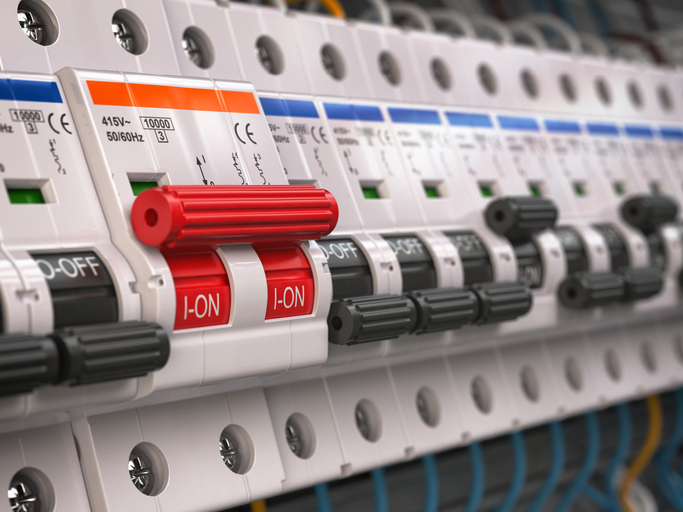
If a circuit breaker will not reset, the safest first step is to stop forcing it back on. A breaker that trips immediately or refuses to stay on is usually warning you that something is wrong. It may be a faulty appliance, overloaded circuit, damaged cable, water ingress, wiring fault or problem within the consumer unit.
A circuit breaker is designed to disconnect the electricity when it detects unsafe conditions. That can be inconvenient, especially if the affected circuit supplies kitchen sockets, lighting, heating controls or essential appliances, but the breaker is doing an important safety job. If it will not reset, the cause needs to be found rather than ignored.
In some cases, the issue may be simple, such as a faulty kettle or toaster. In others, it may require professional electrical fault finding. The key is to approach the problem calmly and safely.
What Does a Circuit Breaker Do?
A circuit breaker is a protective device inside your consumer unit. Its job is to switch off a circuit if there is too much current flowing or if a fault occurs.
Older properties may have rewireable fuses or cartridge fuses, while more modern consumer units usually have switches that can be reset after tripping. Depending on the installation, you may see MCBs, RCDs or RCBOs.
An MCB protects against overloads and short circuits. An RCD detects leakage current, which can happen when electricity escapes from where it should normally flow. An RCBO combines both types of protection on an individual circuit.
When a breaker will not reset, it usually means the fault is still present. Resetting the switch does not remove the problem. It only attempts to restore power to a circuit that may still be unsafe.
Why Will a Circuit Breaker Not Stay On?
A circuit breaker may not stay on because the fault has not cleared. This could be due to something plugged in, a damaged fitting, a wiring fault or moisture affecting the circuit.
The timing can provide clues. If the breaker trips immediately when you try to reset it, the fault may be active and serious. If it resets but trips again when a particular appliance is used, the appliance could be the cause. If it trips after rain, outdoor electrics or damp areas may be involved.
Common causes include:
- Faulty appliances
- Overloaded circuits
- Damaged wiring
- Loose connections
- Water ingress
- Outdoor electrical faults
- Faulty sockets or switches
- Problems with the consumer unit
The cause is not always obvious from the room where the power has gone off. For example, a socket circuit may run through several rooms, or an outdoor socket may be connected to a circuit used inside the home.
Should You Keep Trying to Reset the Breaker?
No. You should not keep trying to reset a circuit breaker if it immediately trips again or will not stay on. Repeatedly forcing it back on can create further risk and may make the fault worse.
The breaker is operating because it has detected a problem. If the circuit is repeatedly energised while the fault remains, there may be a risk of overheating, arcing, appliance damage or electric shock.
It is reasonable to try resetting once after checking for an obvious cause. If it trips again, stop. Do not tape the switch in position, hold it up, bypass it or replace protective devices with higher-rated ones. These are dangerous actions that remove important safety protection.
Step One: Identify Which Circuit Has Tripped
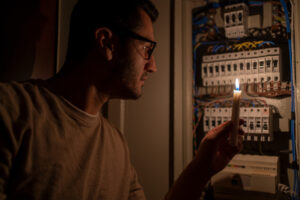
Start by looking at your consumer unit. The affected switch may be in the down position, or it may sit between on and off depending on the model. Some switches need to be pushed fully down before they can be reset upwards.
Check the label next to the breaker if the consumer unit is clearly labelled. It may say sockets, lights, cooker, shower, garage, upstairs, downstairs or similar.
If the labelling is unclear or incorrect, make a note of which areas have lost power. This can help an electrician later if professional fault finding is needed.
Be careful around the consumer unit. If you notice buzzing, burning smells, scorch marks, heat, damaged casing or signs of melting, do not continue trying to reset anything. Call a qualified electrician urgently.
Step Two: Unplug Appliances on the Affected Circuit
If the affected circuit is a socket circuit, unplug appliances from the sockets that have lost power. Do not simply switch them off at the socket. Unplug them fully.
Appliances that commonly cause tripping include kettles, toasters, washing machines, dishwashers, tumble dryers, ovens, microwaves, fridges, freezers, heaters, irons and outdoor equipment.
Once appliances are unplugged, try resetting the breaker once. If it now stays on, one of the unplugged appliances may be faulty.
You can then plug appliances back in one at a time to see whether one causes the breaker to trip again. If one item trips the circuit, stop using it and have it repaired or replaced.
However, this method does not catch every fault. Some appliances only trip once they heat up, fill with water or reach a certain part of their cycle. A washing machine, for example, may seem fine at first but trip when the heating element starts.
Step Three: Check for Obvious Damage
Look for visible signs of damage around the affected area. This might include cracked sockets, scorch marks, loose switches, damaged cables, water near electrics, a burning smell or appliances that feel unusually hot.
Do not remove socket fronts, open fittings or expose wiring unless you are qualified to do so. A visual check is only to spot obvious hazards, not to investigate internally.
If you see damage, stop using the affected circuit and call an electrician. A circuit breaker that will not reset alongside visible damage should be treated as a safety issue.
Step Four: Consider Whether Water Is Involved
Water ingress is a common reason for breakers or RCDs refusing to reset. This is especially likely if the problem started after heavy rain, a plumbing leak, damp conditions or work involving water.
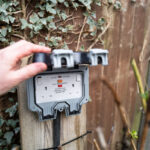
Outdoor sockets, garden lighting, pond pumps, shed supplies, garages and security lights are common sources of water-related faults. Indoors, leaks from bathrooms, kitchens, loft tanks or roofs can affect lighting and socket circuits.
If water may have reached electrical equipment, do not keep trying to restore power. The affected circuit should be inspected and tested before it is used again.
Even if the circuit dries out and starts working later, the issue should not be ignored. Water can corrode terminals and damage fittings, leaving a fault that returns in the future.
What Does It Mean If the Breaker Trips Immediately?
A breaker that trips immediately when reset is often detecting a fault that is still present. This could be a short circuit, earth fault, damaged cable, faulty appliance or internal issue with a connected fitting.
Immediate tripping should be taken seriously. If unplugging all appliances on the affected socket circuit does not solve the problem, the fault may be within the fixed wiring or a fixed item of equipment.
For lighting circuits, the cause may be a damaged fitting, faulty transformer, incorrect connection, water ingress in an outside light or a wiring fault.
For cooker, shower or immersion heater circuits, the fault may relate to a high-load appliance or dedicated circuit. These should be checked professionally rather than repeatedly reset.
Can a Faulty Appliance Stop a Breaker Resetting?
Yes. A faulty appliance can stop a breaker resetting if it remains plugged in and the fault is active. This is why unplugging appliances is a useful early step for socket circuits.
Appliances that combine electricity with heat or water are especially prone to faults. Washing machines, dishwashers, kettles, tumble dryers and ovens often contain heating elements that can fail over time.
If an appliance causes repeated tripping, do not continue using it. It may need repair or replacement. If you are unsure whether the appliance or circuit is at fault, an electrician can test the circuit and help narrow down the cause.
Could the Circuit Be Overloaded?
An overloaded circuit can trip when too many appliances draw power at the same time. This is common in kitchens, utility rooms, home offices and older properties with limited sockets.
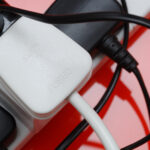
For example, a kettle, heater, microwave and tumble dryer used together may place too much demand on one circuit. Extension leads and multi-way adapters can increase the risk if they are used heavily or permanently.
If the breaker resets after appliances are unplugged but trips when several are used together, overload may be part of the issue. A professional electrician can assess whether the circuit is suitable or whether additional sockets, circuit changes or upgrades are needed.
Could the Breaker Itself Be Faulty?
Circuit breakers can fail, although they are not the most common cause. A damaged or worn breaker may not reset correctly, or it may trip without a genuine circuit fault.
However, you should not assume the breaker is faulty just because it will not stay on. The safer assumption is that the circuit needs testing. Replacing a breaker without finding the cause can leave a dangerous fault unresolved.
An electrician can test the circuit and protective device to determine whether the breaker is doing its job or whether it needs replacing.
Why DIY Fault Finding Can Be Risky
Electrical fault finding can become dangerous quickly because the problem may involve hidden wiring, live parts, damaged accessories or unsafe conditions inside the consumer unit.
Guessing can also lead to the wrong repair. Replacing a socket may not fix a cable fault. Replacing a breaker may not fix an appliance problem. Disconnecting parts of a circuit without understanding the wiring can create further hazards.
Professional fault finding uses testing equipment to check insulation resistance, continuity, polarity, earthing and protective device operation. These tests help identify the actual cause rather than relying on trial and error.
When Should You Call an Electrician?
You should call an electrician if the breaker will not reset after appliances have been unplugged, if it trips immediately, if there are signs of burning or damage, if water may be involved, or if the fault affects fixed wiring.
You should also call if the issue is intermittent but recurring. A circuit that trips once every few days can still indicate a fault. Intermittent problems can be harder to diagnose, so keeping notes can help.
Useful details to provide include:
- Which breaker or circuit is affected
- When the problem started
- Whether it happens during rain
- Whether any appliances seem linked
- Whether there are burning smells, sounds or visible damage
- Whether recent DIY, building work or leaks have occurred
The more information you can give, the easier it is for the electrician to start narrowing down the fault.
What Should Landlords Do If a Circuit Breaker Will Not Reset?
Landlords should treat repeated tripping or a breaker that will not reset as a maintenance and safety issue. Tenants should be advised not to keep forcing the breaker back on and not to use damaged electrical equipment.
A qualified electrician should inspect the issue, especially if it affects essential circuits or there are signs of damage. If remedial work is carried out, landlords should keep records of the repair and any testing completed.
This is particularly important where the issue relates to an EICR observation, repeated tenant reports or older wiring.
Frequently Asked Questions
Is it dangerous if a circuit breaker will not reset?
It can be. A breaker that will not reset may be detecting a fault that is still present. Stop trying to force it on and investigate safely. If unplugging appliances does not solve it, call an electrician.
Why does my breaker trip with nothing plugged in?
If a breaker trips when nothing is plugged in, the fault may be in the fixed wiring, a socket, a fused spur, an outdoor fitting or a connected appliance that has not been unplugged. Professional testing is usually needed.
Can I replace a circuit breaker myself?
No. Circuit breaker replacement should be handled by a qualified electrician. The circuit must be tested to confirm the cause of tripping, and the replacement device must be suitable for the installation.
Why does my RCD refuse to reset?
An RCD may refuse to reset because it is detecting current leakage. This could be caused by appliances, water ingress, damaged wiring or a fault on one of the connected circuits. An electrician can test each circuit to locate the problem.
What should I do if the breaker trips after a leak?
Do not use the affected circuit until it has been checked. Water can damage fittings and wiring, even if the area later appears dry. Arrange an electrical inspection before restoring normal use.
Final Thoughts
If a circuit breaker will not reset, do not keep forcing it back on. The breaker is there to protect the circuit and the people using the property. Start by identifying the affected circuit, unplugging appliances and checking for obvious signs of damage or water.
If the breaker still will not reset, trips immediately or the cause is unclear, professional electrical fault finding is the safest next step. A qualified electrician can test the circuit properly, identify the fault and complete the necessary repair.
For circuit breaker problems, electrical fault finding and safe repairs across Hampshire and the surrounding areas, contact Big Fish Electrician.
Phone: 07789 214528
Email: mike.thomas@bigfishea.co.uk
Find out more: https://bigfishea.co.uk/
Find us on Checkatrade: https://www.checkatrade.com/trades/bigfishealtd