Bathroom condensation is a common issue in many UK homes, particularly during colder months when warm, moisture-heavy air meets cooler surfaces. Steamed-up mirrors, dripping windows and persistent damp patches may initially seem harmless, but over time excess moisture can lead to mould growth, damaged décor and poor indoor air quality.
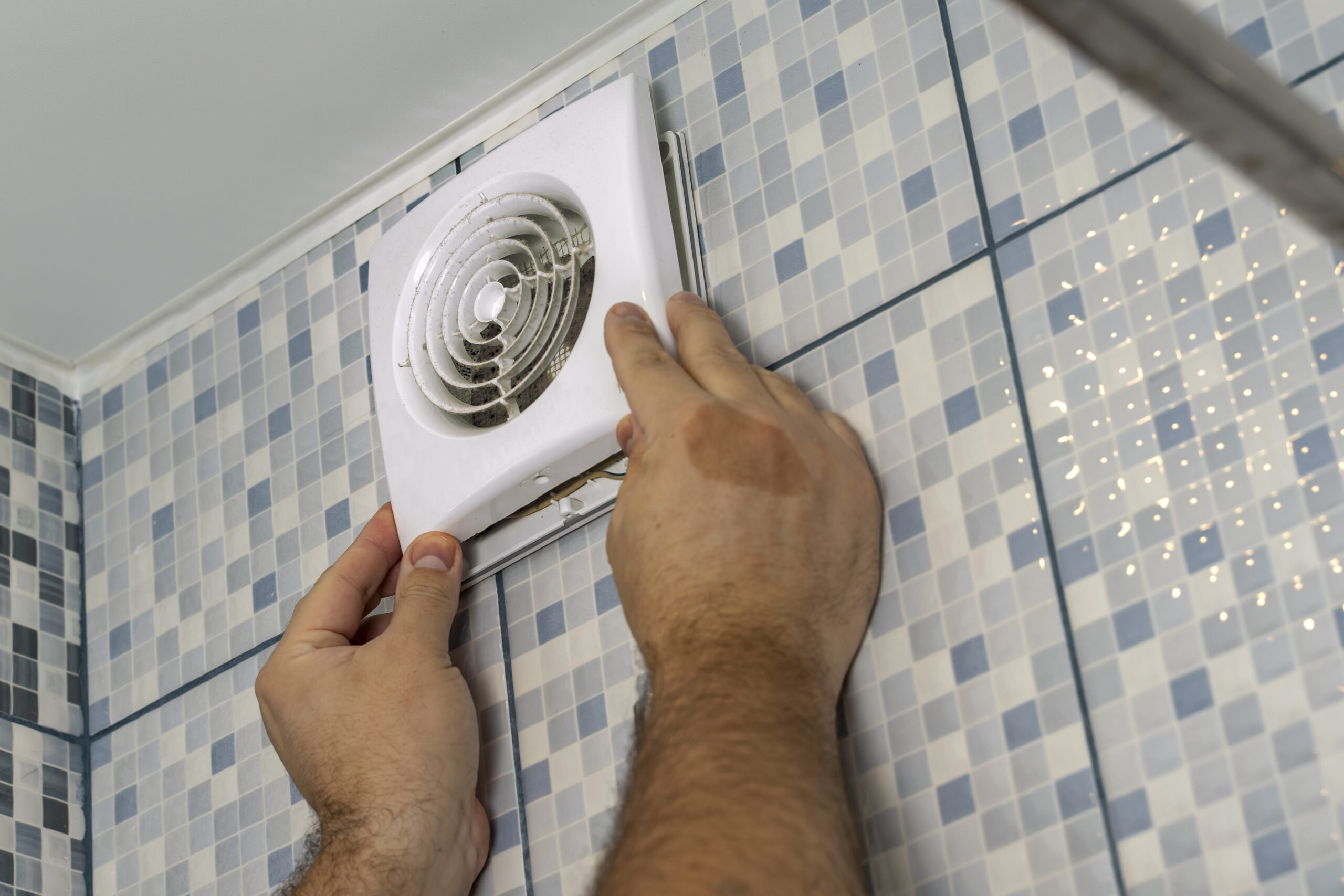
A properly planned bathroom extractor fan installation is one of the most effective ways to control moisture and improve ventilation within the home. While opening windows may help temporarily, a professionally installed extractor fan provides consistent airflow that removes humid air before condensation can settle.
Understanding how bathroom ventilation works and choosing the right system can make a significant difference to both comfort and long-term property condition.
Why Bathrooms Suffer From Condensation
Bathrooms naturally produce high levels of moisture through:
- Hot showers
- Baths
- Running hot water
- Wet towels
- Limited airflow
Without adequate ventilation, humid air remains trapped within the room. As this warm air cools, moisture condenses onto colder surfaces such as mirrors, walls, ceilings and windows.
Over time this can cause:
- Black mould growth
- Peeling paint
- Damp odours
- Damaged plaster
- Rotten timber
- Stained ceilings
In severe cases, poor bathroom ventilation can even contribute to wider damp problems elsewhere in the property.
How Bathroom Extractor Fan Installation Helps
A professionally installed extractor fan removes moisture-laden air directly from the bathroom before condensation can build up.
This improves:
- Air circulation
- Humidity control
- Indoor air quality
- Mould prevention
- General comfort
Modern extractor fans are significantly quieter and more energy efficient than older models, making them suitable for regular daily use.
Why Ventilation Matters in UK Homes
Many modern UK homes are designed to be more energy efficient and airtight than older properties. While this improves heating efficiency, it can also reduce natural airflow.
As a result, mechanical ventilation systems such as bathroom extractor fans have become increasingly important.
Guidance from NHS mould and damp advice explains how poor ventilation and damp conditions can affect both property condition and health.
Common Signs You Need Better Bathroom Ventilation
Some signs of poor bathroom airflow are easy to recognise, while others develop gradually over time.
Persistent Condensation
If mirrors, windows and walls remain wet long after showering, ventilation may be insufficient.
Black Mould Around Ceilings and Windows
Mould growth around silicone seals, ceilings or corners is one of the clearest indicators that moisture levels are too high.
Peeling Paint or Wallpaper
Excess humidity gradually damages decorative finishes and may cause bubbling paint or lifting wallpaper.
Musty Smells
Poor airflow often allows damp odours to linger within the bathroom and adjacent rooms.
No Existing Extractor Fan
Some older properties still rely solely on opening windows for ventilation, which is often inadequate during winter.
Choosing the Right Extractor Fan
Not all extractor fans are suitable for every bathroom. Selecting the correct unit depends on several factors.
Bathroom Size
Larger bathrooms require stronger extraction rates to remove moisture effectively.
A small en-suite may only require a basic fan, while larger family bathrooms often need more powerful systems.
Fan Position
Correct placement is essential for effective airflow. Fans are commonly installed:
- On external walls
- Through ceilings and loft spaces
- Near showers or baths
- Opposite natural airflow points
A qualified electrician can advise on the most effective positioning.
Noise Levels
Older fans were often noisy and intrusive, leading many homeowners to avoid using them regularly.
Modern low-noise systems are far quieter and better suited for daily use.
Timer and Humidity Sensors
Many modern extractor fans include additional features such as:
- Overrun timers
- Humidity sensors
- Motion sensors
- Silent running modes
Humidity-controlled fans are especially useful because they continue operating automatically until moisture levels reduce sufficiently.
Real-World Example: Preventing Ongoing Mould Problems
A homeowner in Southampton experienced recurring black mould around the ceiling and window frame of their family bathroom. Despite regular cleaning and repainting, the mould returned repeatedly every winter.
Inspection revealed that the existing extractor fan was underpowered and no longer functioning correctly. After installing a modern humidity-controlled fan with improved airflow capacity, condensation reduced significantly and mould growth stopped returning.
Situations like this are common in properties with ageing or ineffective ventilation systems.
Why Professional Installation Matters
Bathroom extractor fan installation requires careful consideration because of increased moisture exposure and strict safety regulations.
Professional bathroom extractor fan installation ensures:
- Safe electrical connections
- Correct zoning compliance
- Suitable circuit protection
- Effective airflow design
- Proper external venting
- Reliable long-term operation
Incorrect installation can reduce extraction performance and create electrical safety risks.
Bathroom Electrical Zones
UK regulations divide bathrooms into safety zones based on proximity to water sources.
Certain fan types and electrical equipment are only permitted within specific areas. A qualified electrician understands these requirements and ensures compliant installation.
Replacing Older Extractor Fans
Many older bathrooms already contain extractor fans that no longer perform effectively.
Common issues include:
- Weak airflow
- Excessive noise
- Failed motors
- Blocked ducting
- Poor positioning
- Lack of humidity control
Replacing an older unit with a modern system can dramatically improve moisture control without major renovation work.
Additional Ways to Reduce Bathroom Condensation
While extractor fans are highly effective, some additional steps can also help reduce moisture buildup.
Keep the Fan Running After Showering
Allowing the fan to continue operating for several minutes after use helps remove remaining humid air.
Keep Internal Doors Closed
This prevents moisture spreading into other rooms within the property.
Maintain Adequate Heating
Cold surfaces encourage condensation formation. Consistent heating can help reduce moisture buildup.
Avoid Blocking Airflow
Towels, storage units or blocked vents can reduce extraction efficiency.
When Ventilation Problems Affect Other Areas
Bathroom moisture does not always remain isolated to one room. In poorly ventilated properties, excess humidity can spread into:
- Hallways
- Bedrooms
- Loft spaces
- Adjacent walls
Over time this may contribute to wider condensation and damp problems throughout the home.
Early intervention with effective ventilation often prevents more extensive property damage later.
Frequently Asked Questions
Why does my bathroom still get condensation after showering?
Your existing ventilation may be inadequate, poorly positioned or no longer functioning correctly.
Can a bathroom extractor fan installation stop mould growth?
An effective extractor fan helps reduce moisture levels, which significantly lowers the risk of mould growth.
What type of fan is best for a family bathroom?
Humidity-controlled fans are often ideal because they adjust automatically based on moisture levels.
Can an electrician replace an old extractor fan?
Yes. A qualified electrician can safely replace older fans and recommend more suitable modern systems.
Where should bathroom extractor fan installation be positioned?
Position depends on room layout, but fans are usually installed close to major moisture sources such as showers or baths.
A properly designed bathroom extractor fan installation helps protect your property from condensation damage while improving comfort and indoor air quality throughout the year.
If you need professional bathroom ventilation advice or extractor fan installation, contact Big Fish Electricians today. Phone: 07789 214528
Email: mike.thomas@bigfishea.co.uk
Find out more: Big Fish Electricians
Find us on Checkatrade: https://www.checkatrade.com/trades/bigfishealtd