Electrical systems are designed to operate safely and reliably for many years, but faults can still develop gradually over time. Some problems appear suddenly, while others remain hidden behind walls and ceilings long before noticeable symptoms begin. Electrical fault finding helps identify the source of these problems before they become dangerous or cause major disruption.
Many homeowners only contact an electrician once power loss or repeated tripping starts affecting everyday life. However, warning signs often appear much earlier. Flickering lights, buzzing sockets or occasional nuisance tripping can all indicate underlying issues within the installation.
Professional electrical fault finding allows electricians to diagnose faults accurately rather than simply replacing visible components without understanding the real cause.
What Is Electrical Fault Finding?
Electrical fault finding is the process of tracing, testing and diagnosing faults within an electrical installation.
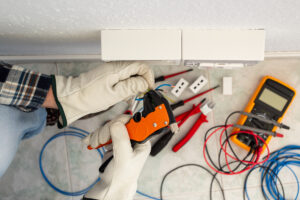
Rather than guessing which component has failed, electricians use specialist equipment and systematic testing procedures to identify the exact source of the problem.
This may involve checking:
- Wiring systems
- Circuit breakers
- Sockets and switches
- Earthing arrangements
- Lighting circuits
- Appliances
- Outdoor electrical systems
The goal is to locate the root cause safely and efficiently while minimising unnecessary disruption.
Why Faults Often Go Undetected
Unlike visible property issues such as leaking pipes or cracked walls, electrical systems are largely hidden from view.
Problems can develop gradually through:
- Ageing wiring
- Loose connections
- Overloaded circuits
- Moisture damage
- DIY electrical work
- Wear and tear
Many faults only become obvious once they begin affecting power supply or damaging components.
Real-World Example
A homeowner in Southampton experienced occasional flickering lights in several rooms over a number of months. Because the issue appeared inconsistent, it was initially ignored.
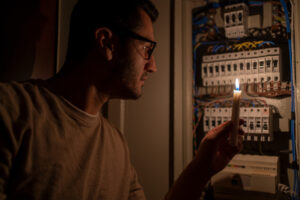
Professional electrical fault finding later identified overheating connections within the consumer unit that had gradually deteriorated over time. Early diagnosis prevented further damage and avoided a potentially dangerous fault developing later.
Repeated Circuit Breaker Tripping
One of the most common reasons homeowners arrange fault finding is persistent circuit breaker tripping.
While circuit breakers are designed to protect the property, repeated tripping usually indicates an underlying problem.
Possible causes include:
- Overloaded circuits
- Faulty appliances
- Damaged wiring
- Moisture ingress
- Failing protective devices
- Loose electrical connections
Simply resetting the breaker repeatedly does not solve the underlying fault.
Why Repeated Tripping Should Never Be Ignored
Protective devices operate for a reason. Continually resetting circuits without proper diagnosis can allow overheating or damaged wiring to worsen over time.
Professional testing helps identify whether the problem involves the circuit itself, connected appliances or hidden faults elsewhere within the system.
Faulty Sockets and Switches
Sockets and switches are among the most heavily used electrical accessories within any property.
Over time they may develop faults such as:
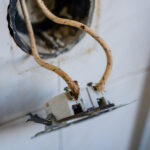
- Loose terminals
- Burnt connections
- Internal damage
- Intermittent operation
- Sparking
- Overheating
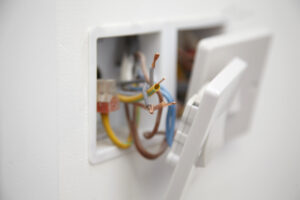
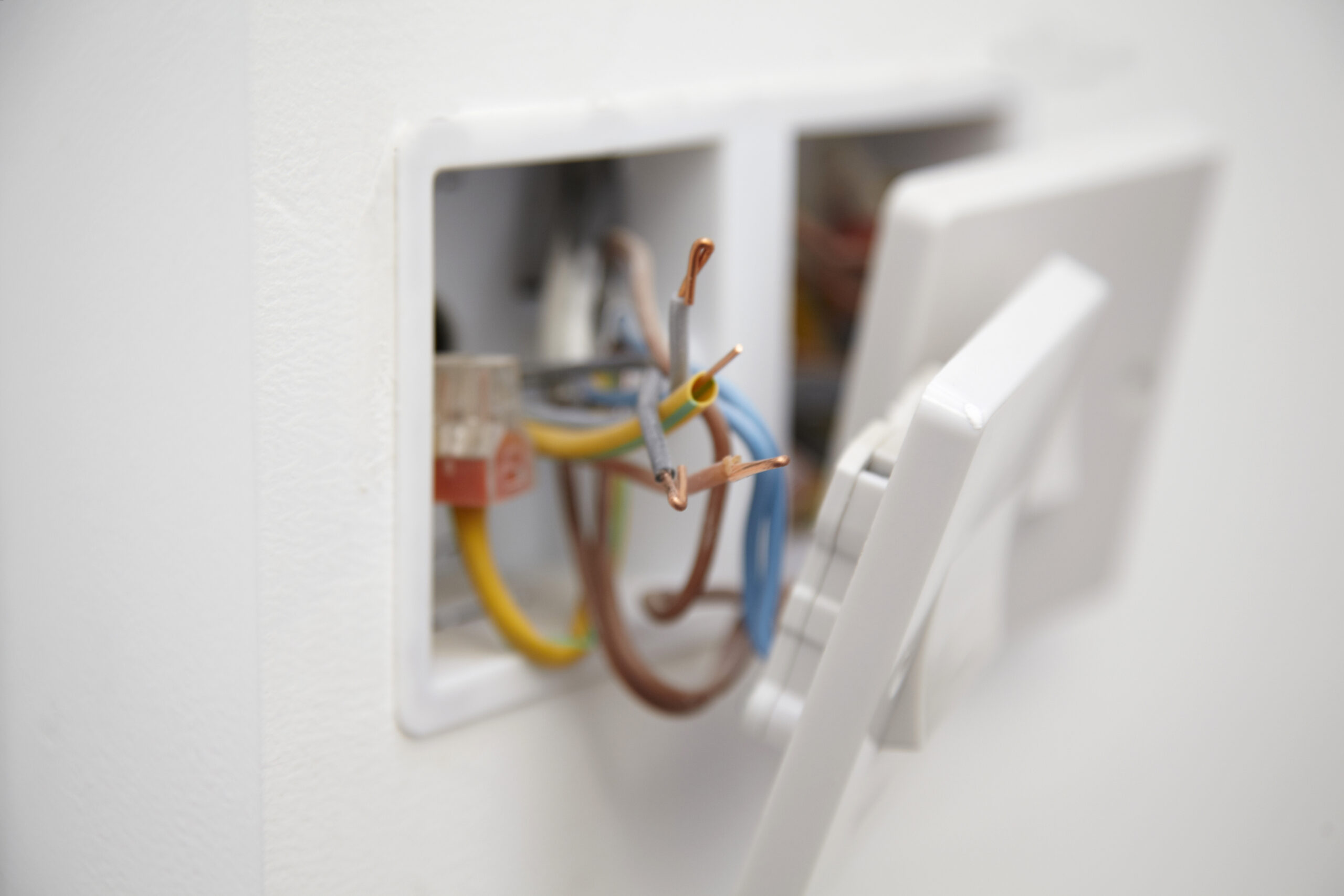
In some cases, faults behind the faceplate may remain hidden until visible damage eventually appears.
Signs of Socket Problems
Homeowners should arrange inspection if they notice:
- Buzzing sounds
- Burning smells
- Warm faceplates
- Discolouration
- Intermittent power
- Crackling noises
These symptoms may indicate overheating or loose internal wiring.
Flickering or Dimming Lights
Lighting faults are another common issue identified during electrical fault finding.
Potential causes include:
- Loose connections
- Faulty switches
- Circuit overload
- Voltage fluctuations
- Damaged light fittings
- Consumer unit issues
While a single faulty bulb may occasionally cause flickering, repeated problems affecting multiple rooms often suggest wider electrical issues.
Hidden Risks Behind Flickering Lights
Intermittent lighting faults may indicate deteriorating connections generating heat behind walls or within fittings.
Without repair, these connections can worsen and eventually create fire risks.
Damaged or Ageing Wiring
Older UK properties frequently contain wiring systems approaching the end of their safe service life.
Common issues include:
- Brittle insulation
- Rubber or fabric-insulated cables
- Poor previous alterations
- Overheated conductors
- Hidden junction box faults
Electrical fault finding often reveals problems that remain completely invisible during normal use.
Why Older Wiring Becomes Problematic
Modern electrical demand is far greater than many older installations were designed to support. Additional appliances, home offices and modern kitchen equipment all place greater strain on ageing circuits.
Repeated overload can accelerate cable deterioration significantly.
Outdoor Electrical Faults
Outdoor electrical installations are especially vulnerable to weather exposure and moisture ingress.
Faults may develop in:
- Garden lighting
- Outdoor sockets
- Garage supplies
- Security lighting
- External cabling
Water ingress is one of the most common causes of outdoor electrical faults.
Why Moisture Causes Problems
Water can gradually corrode electrical connections and damage insulation, eventually leading to intermittent faults or complete circuit failure.
Outdoor faults often worsen during colder or wetter weather conditions.
Consumer Unit and RCD Problems
Modern consumer units contain protective devices designed to detect dangerous conditions quickly.
However, these devices can also develop faults themselves.
Common issues include:
- Failed RCDs
- Loose connections
- Overheated breakers
- Incorrect circuit labelling
- Poor previous alterations
Professional testing verifies whether protective devices operate correctly under fault conditions.
Appliance-Related Electrical Faults
Sometimes the electrical installation itself is not the problem. Fault finding may identify faulty appliances causing circuits to trip or behave unpredictably.
Common culprits include:
- Washing machines
- Kettles
- Ovens
- Immersion heaters
- Outdoor equipment
Electricians systematically isolate circuits and equipment to identify whether appliances are contributing to the issue.
Why DIY Fault Finding Can Be Dangerous
Electrical faults are not always obvious and attempting DIY diagnosis can create serious risks.
Hidden live conductors, damaged insulation and overloaded circuits may all remain dangerous even when symptoms appear minor.
Improper investigation can result in:
- Electric shock
- Fire risk
- Further system damage
- Incorrect repairs
- Damaged appliances
Guidance from Electrical Safety First electrical advice explains why professional electrical assessment is important for maintaining safety.
How Professional Electricians Diagnose Faults
Professional fault finding usually follows a structured process.
This may involve:
- Discussing symptoms with the homeowner
- Inspecting visible components
- Isolating circuits safely
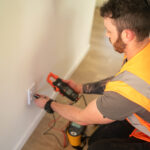
- Carrying out electrical testing
- Identifying underlying causes
- Recommending suitable repairs
Using specialist diagnostic equipment allows electricians to identify hidden problems far more accurately than visual inspection alone.
Frequently Asked Questions
What causes power to trip repeatedly in a property?
Repeated tripping may result from overloaded circuits, faulty appliances, damaged wiring or moisture-related faults.
Can faulty sockets affect other areas of the house?
Yes. Faults within one circuit can sometimes affect multiple sockets, lights or appliances connected to the same electrical system.
Why do lights flicker even after changing bulbs?
Persistent flickering may indicate loose connections, overloaded circuits or wider electrical faults rather than faulty bulbs alone.
Is electrical fault finding necessary for intermittent problems?
Yes. Intermittent faults often worsen over time and may indicate hidden issues that require professional diagnosis.
How do electricians trace hidden electrical faults?
Electricians use specialist testing equipment and systematic inspection procedures to identify faults safely and accurately.
Professional electrical fault finding helps identify hidden issues before they develop into more serious safety risks or costly repairs. Early diagnosis improves reliability, protects electrical systems and helps keep properties safe long-term.
If you are experiencing repeated tripping, flickering lights or unexplained electrical problems, contact Big Fish Electricians today.
Phone: 07789 214528
Email: mike.thomas@bigfishea.co.uk
Find out more: Big Fish Electricians
Find us on Checkatrade: https://www.checkatrade.com/trades/bigfishealtd