The most common domestic electrical problems include tripping circuits, flickering lights, faulty sockets, warm switches, overloaded extension leads, outdated consumer units, damaged wiring, outdoor electrical faults and poor DIY electrical work. Some issues are minor and easy to resolve, while others can point to a more serious safety risk.
Electrical problems in the home should never be ignored. A socket that works intermittently, a circuit that trips every few days or a light that flickers for no obvious reason may seem like a nuisance at first, but these symptoms can sometimes indicate loose connections, overloaded circuits, moisture ingress or deteriorating wiring.
The difficulty is that electrical faults are not always visible. A room may look normal, but the issue could be behind a socket, inside a light fitting, under floorboards, in an outdoor connection or within the consumer unit. Understanding the most common problems can help you decide what needs simple attention and what should be checked by a qualified electrician.
Why Domestic Electrical Problems Should Be Taken Seriously
Modern homes rely heavily on electricity. From lighting, heating controls and kitchen appliances to laptops, chargers, security systems, garden equipment and EV chargers, electrical demand has increased significantly in many households.
When the electrical installation is in good condition, this demand can be managed safely. Problems arise when circuits are overloaded, accessories become worn, wiring is damaged or older systems are pushed beyond what they were designed to handle.
A domestic electrical problem is not just about inconvenience. Electrical faults can increase the risk of electric shock, damage to appliances and, in some cases, fire. The safest approach is to act early, especially when warning signs repeat or become worse.
Why Do Lights Flicker in a House?
Flickering lights are one of the most common electrical issues homeowners notice. Sometimes the cause is simple, such as a loose bulb or an incompatible dimmer switch. In other cases, flickering can point to a wiring problem or issue with the circuit.
A light that flickers only in one fitting may have a loose lamp, poor connection, faulty fitting or problem with the switch. If several lights flicker at the same time, the issue may be wider and should be checked more carefully.
Flickering may also happen when a high-load appliance starts, such as a shower, oven or heating system. Occasional slight dimming may not always indicate a serious problem, but repeated flickering, buzzing or visible sparking should be treated seriously.
You should call an electrician if lights flicker across multiple rooms, if the flickering is getting worse, if the switch feels warm or if there is a burning smell near the fitting.
What Causes Sockets to Stop Working?
Sockets can stop working for several reasons. The issue may be a tripped circuit, faulty appliance, loose connection, damaged socket, overloaded circuit or wiring fault.
If one socket stops working but others on the same circuit still operate, the socket itself may be damaged or poorly connected. If several sockets stop working at once, the consumer unit may have tripped or there may be a fault on the circuit.
You should stop using a socket if it is cracked, loose, scorched, buzzing, sparking or warm to the touch. These signs can indicate overheating or poor connections.
It is also important not to rely on extension leads as a permanent workaround. If you do not have enough working sockets, or if you regularly need adapters, the electrical installation may need reviewing. Adding proper socket outlets may be safer and more practical than overloading existing points.
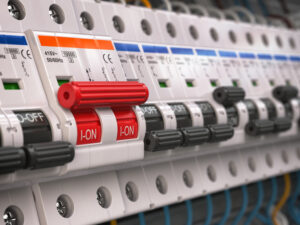
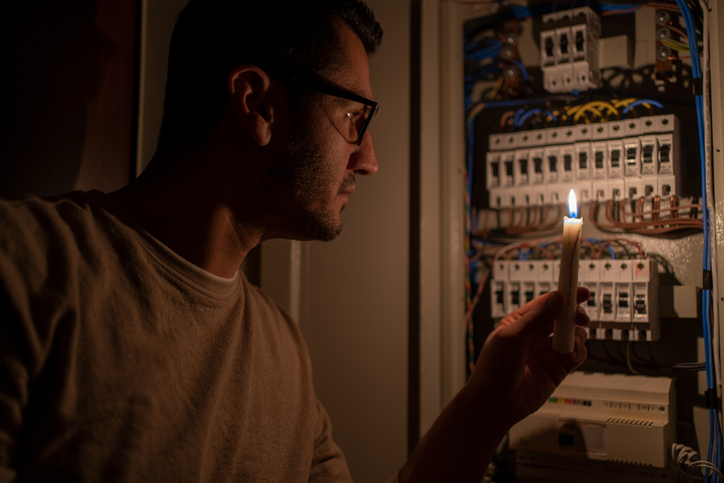
Why Does a Consumer Unit Keep Tripping?
A consumer unit keeps tripping when a protective device detects a problem. This may be caused by a faulty appliance, overloaded circuit, damaged cable, water ingress, outdoor electrical fault or issue with fixed wiring.
The consumer unit is not usually the problem itself. It is often responding to a fault elsewhere. For example, a washing machine with a failing heating element, a damp outdoor light or a damaged cable can all cause tripping.
Repeated tripping should not be ignored. If a circuit trips once and stays on after a faulty appliance is removed, the problem may be straightforward. If it trips repeatedly, trips immediately or trips during wet weather, professional fault finding is recommended.
Do not keep resetting a breaker without identifying the cause. The switch is operating for safety, and forcing it back on repeatedly may increase risk.
Are Warm Sockets and Switches Dangerous?
A socket or switch that feels warm can be a warning sign, especially if it is hot, discoloured, buzzing or smells of burning. Warmth may be caused by high electrical load, loose connections, damaged contacts or a faulty appliance.
Some plugs connected to high-power appliances may become slightly warm during normal use, but the socket itself should not feel hot. Scorch marks, melting, crackling sounds or a burning smell should be checked urgently.
Loose connections are particularly concerning because they can create heat while the socket still appears to work. Over time, this can damage the accessory and surrounding materials.
If you notice heat from a socket or switch, stop using it and arrange an electrical inspection.
Why Do Bulbs Keep Blowing?
Bulbs can fail for normal reasons, especially cheaper or older lamps. However, if bulbs are blowing frequently in the same fitting, there may be an underlying issue.
Common causes include poor-quality bulbs, loose lamp holders, overheating fittings, incorrect bulb type, vibration, voltage issues or faulty wiring. LED lamps can also fail early if they are used with incompatible dimmer switches or enclosed fittings that trap heat.
If one fitting keeps causing bulbs to fail, the fitting should be checked. If bulbs are failing throughout the property, it may be worth investigating the wider electrical supply or installation.
Changing bulbs repeatedly may hide the symptom, but it does not solve the cause.
Why Do Light Switches Buzz?
A buzzing light switch may be caused by a loose connection, worn switch, unsuitable dimmer, overloaded dimmer module or incompatible LED lamps. Dimmer switches are particularly common sources of buzzing when they are not matched correctly with the lighting load.
A slight hum from some dimmers can happen, but loud buzzing, heat, flickering lights or unreliable switching should be inspected. The switch may need replacing, or the dimmer may need to be changed to one suitable for the type of lamps being used.
Never ignore a switch that buzzes and feels warm. This can indicate overheating or poor contact inside the switch.
What Problems Are Caused by Overloaded Extension Leads?
Extension leads are useful for temporary use, but they are often misused as permanent power solutions. Overloading extension leads can cause overheating, damaged plugs, tripping circuits and increased fire risk.
This commonly happens in home offices, bedrooms, living rooms and kitchens where several appliances are plugged into one outlet. High-power appliances such as heaters, kettles, microwaves, tumble dryers and washing machines should not be casually grouped through multi-way adapters.
Daisy-chaining extension leads, where one extension is plugged into another, is especially risky. It can overload the socket and make it harder to spot heat build-up.
If you rely on extension leads every day, it may be time to add more sockets or review the circuit layout.
How Do Outdoor Electrics Cause Problems?
Outdoor electrics are exposed to rain, damp, frost, soil and physical damage. Common problems include tripping circuits, failed garden lights, water-damaged sockets, corroded connections and damaged cables.
Outdoor sockets, shed supplies, pond pumps, security lights and garden lighting should all be suitable for external use and properly protected. If moisture gets into a fitting or cable joint, it may cause RCD tripping or create unsafe conditions.
A common clue is tripping during or after wet weather. If your electrics trip when it rains, outdoor wiring should be considered as a possible cause.
Outdoor electrical faults should be inspected rather than ignored. Even if the circuit starts working again when the weather dries, corrosion or damage may remain.
Why Old Consumer Units Can Become a Problem
Older consumer units may lack modern protective devices such as RCDs or RCBOs. Some properties still have rewireable fuses or boards with limited circuit separation.
An older consumer unit is not automatically unsafe simply because of its age, but it should be assessed to confirm whether it is suitable for current use. A home that now has more appliances, garden power, electric showers, home office equipment or EV charging may need better protection and capacity than it once did.
Signs that a consumer unit needs attention include frequent tripping, buzzing, burning smells, scorch marks, poor labelling, no RCD protection or no spare capacity for new circuits.
A professional electrician can inspect the board and advise whether repair, testing or replacement is appropriate.
What Are the Risks of Poor DIY Electrical Work?
Poor DIY electrical work is one of the most common hidden problems in domestic properties. Previous owners may have added sockets, lights, loft supplies, outdoor power or kitchen alterations without proper testing.
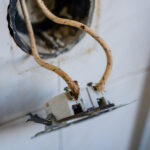
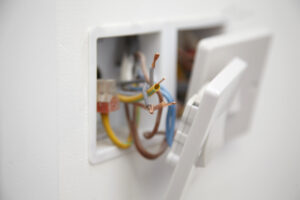
The visible result may look acceptable, but the wiring behind it may be unsafe. Common issues include loose terminals, incorrect cable sizes, overloaded spurs, missing earth connections, unsuitable junction boxes and exposed conductors.
DIY faults are often discovered during EICRs, consumer unit upgrades, renovation work or fault finding. In some cases, the problem only becomes obvious when a new protective device starts tripping.
If you move into a property and the electrical history is unclear, an inspection can provide peace of mind.
How Can Hidden Wiring Faults Show Up?
Hidden wiring faults may show up through repeated tripping, flickering lights, warm accessories, intermittent power loss or faults that only happen under certain conditions.
A hidden fault may be caused by damaged cable insulation, rodent damage, old wiring, loose joints, water ingress or a screw or nail piercing a cable. Sometimes building work or DIY projects create faults without the homeowner realising immediately.
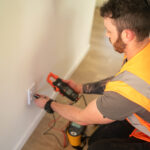
An electrician can use specialist testing equipment to narrow down where the fault is. This is much safer than guessing or replacing random accessories.
When Should You Call an Electrician?
You should call an electrician if a problem is repeated, unexplained, linked to fixed wiring or associated with warning signs such as heat, burning smells, scorch marks, buzzing, sparks or water damage.
You should also get professional help if a circuit breaker will not reset, if your RCD keeps tripping, if several lights flicker at once or if outdoor electrics fail after rain.
For planned improvements, such as adding sockets, replacing lighting, installing outdoor power or upgrading a consumer unit, it is better to get advice early. This helps ensure the work is designed safely rather than added as a quick fix.
How Can Regular Electrical Testing Help?
Electrical testing can identify problems before they become obvious. An Electrical Installation Condition Report, often called an EICR, assesses the condition of the wiring, circuits, protective devices, earthing and consumer unit.
Testing is particularly useful for older properties, rental homes, homes with frequent faults, properties being renovated and houses where previous electrical work is undocumented.
An EICR can identify defects, deterioration and safety concerns. It can also help you plan repairs or upgrades in a sensible order.
Frequently Asked Questions
Why do my electrics keep tripping?
Your electrics may keep tripping because of a faulty appliance, overloaded circuit, damaged wiring, outdoor electrical fault, water ingress or issue with the consumer unit. If the cause is not obvious, professional testing is recommended.
Is a buzzing socket dangerous?
A buzzing socket should be checked. It may indicate a loose connection, damaged contacts or overheating. Stop using the socket if it is buzzing, warm, scorched or unreliable.
Why do my lights flicker when I use appliances?
Lights may flicker when high-load appliances start, but repeated or severe flickering should be investigated. It could indicate voltage drop, poor connections or circuit issues.
Can old wiring still be safe?
Old wiring can sometimes remain safe if it is in good condition and suitable for current use. However, age, alterations and deterioration can create risks, so inspection and testing are the only reliable way to assess it.
Should I worry about one socket not working?
One faulty socket may be a local problem, but it should still be checked if it is loose, damaged, warm, buzzing or unreliable. If multiple sockets stop working, there may be a circuit fault or tripped protective device.
Final Thoughts
The most common domestic electrical problems include tripping circuits, faulty sockets, flickering lights, warm switches, overloaded extension leads, outdoor electrical faults, old consumer units and hidden DIY wiring issues.
Some faults are simple, but others can point to more serious safety concerns. If a problem repeats, affects fixed wiring or comes with signs of heat, burning, buzzing, sparks or water damage, it should be checked by a qualified electrician.
For domestic electrical repairs, fault finding, testing and upgrades across Hampshire and the surrounding areas, contact Big Fish Electrician.
Phone: 07789 214528
Email: mike.thomas@bigfishea.co.uk
Find out more: https://bigfishea.co.uk/
Find us on Checkatrade: https://www.checkatrade.com/trades/bigfishealtd