EAn RCD consumer unit is one of the most important electrical safety upgrades available for modern UK properties. While older fuse boxes were once considered standard, modern consumer units now provide significantly improved protection against electric shock, overloaded circuits and electrical fires.
Many homeowners are unaware that their property may still contain outdated electrical protection systems until an electrician identifies problems during inspection or fault finding. In some cases, ageing fuse boards continue functioning for years despite no longer meeting current safety expectations.
Understanding how modern consumer units work and when an upgrade may be necessary can help property owners improve both safety and reliability throughout the home.
What Is an RCD Consumer Unit?
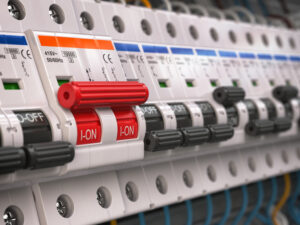
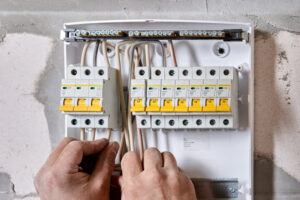
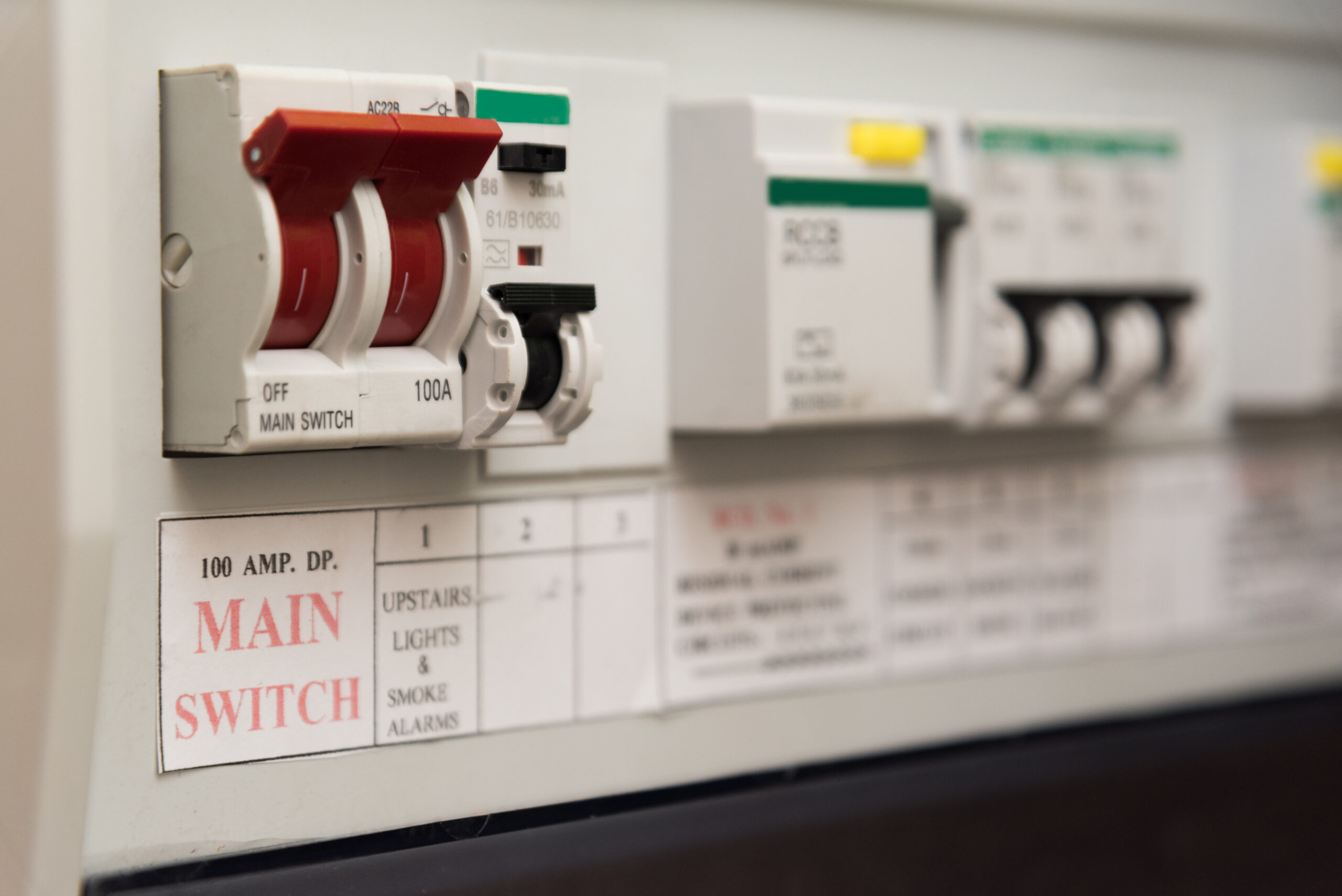
A consumer unit, sometimes referred to as a fuse board or fuse box, distributes electricity safely around the property through individual circuits.
Modern systems include safety devices designed to disconnect power rapidly if dangerous electrical faults occur.
An RCD, or Residual Current Device, monitors electrical current flow continuously. If it detects electricity escaping from the circuit unexpectedly, such as through damaged wiring or accidental contact, it disconnects power extremely quickly.
This additional protection greatly reduces the risk of:
- Electric shock
- Electrical fires
- Overheating cables
- Fault damage
- Serious electrical accidents
How Older Fuse Boards Differ
Older fuse boards commonly use rewireable fuses instead of modern circuit breakers and RCD protection.
These older systems often lack:
- Residual current protection
- Modern overload protection
- Surge protection
- Proper circuit separation
- Safer fault isolation
While older installations may still function day-to-day, they often provide far lower levels of protection compared to modern standards.
Why Older Systems Become Problematic
Electrical demand within UK homes has increased significantly over recent decades.
Modern households now commonly use:
- Electric showers
- EV chargers
- High-powered kitchen appliances
- Home offices
- Smart home systems
- Multiple entertainment devices
Older electrical systems were rarely designed for these levels of demand.
Signs You May Need a Consumer Unit Upgrade
Several warning signs can indicate that your existing electrical system may require modernisation.
Rewireable Fuses
If your fuse board contains fuse wire rather than switch-style breakers, the system is likely outdated.
Frequent Tripping
Repeated power trips may suggest overloaded circuits, ageing components or inadequate protection.
Burning Smells or Heat
Any signs of overheating around the fuse board should be investigated immediately.
Limited Circuit Space
Many older fuse boards lack capacity for additional circuits required during modern renovations or extensions.
Failed Electrical Inspections
An EICR inspection may recommend consumer unit replacement if the existing system no longer meets safety standards.
How RCD Protection Improves Safety
Modern RCD devices provide rapid disconnection during fault conditions that older systems may fail to detect quickly enough.
Protection Against Electric Shock
If someone accidentally comes into contact with a live conductor, an RCD can disconnect power within milliseconds.
Reduced Fire Risk
Damaged cables and hidden faults may allow small leakage currents to develop gradually. RCDs help detect these faults before overheating becomes dangerous.
Better Fault Isolation
Modern consumer units separate circuits more effectively, meaning faults can often be isolated without affecting the entire property.
Improved Reliability
Newer systems generally provide more stable and dependable electrical performance overall.
Real-World Example: Why Upgrades Matter
A homeowner in Southampton recently experienced repeated power loss whenever several kitchen appliances operated simultaneously. Their older fuse board had no RCD protection and several circuits had been added over the years without proper modernisation.
Inspection revealed overloaded circuits and ageing protective devices that no longer operated reliably.
Following installation of a modern RCD consumer unit, the property benefited from:
- Improved circuit separation
- Safer fault protection
- Reduced nuisance tripping
- Better overall reliability
- Capacity for future upgrades
The upgrade also allowed safe installation of a new EV charger later.
What Happens During a Consumer Unit Upgrade?
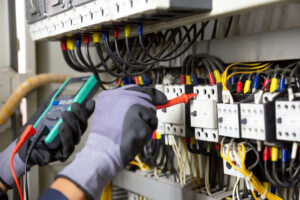
A professional electrician will first assess the existing installation to ensure the wider electrical system remains suitable.
The upgrade process commonly includes:
- Isolating electrical supply safely
- Removing the old fuse board
- Testing existing circuits
- Installing the new consumer unit
- Connecting and labelling circuits
- Carrying out full testing and certification
Most standard upgrades can usually be completed within a single working day, although older properties may occasionally require additional remedial work.
Additional Improvements Often Recommended
During consumer unit replacement, electricians sometimes identify related issues requiring attention.
These may include:
- Earthing upgrades
- Main bonding improvements
- Damaged wiring repairs
- Circuit separation
- Additional RCD protection
Addressing these issues during the same project often improves both safety and long-term value.
RCD Consumer Units and Modern Electrical Regulations
Electrical regulations within the UK continue evolving to improve safety standards.
Modern consumer units help properties comply with current requirements regarding:
- RCD protection
- Circuit design
- Fault protection
- Testing and certification
Guidance from Electrical Safety First consumer unit advice explains why modern fuse board protection is so important.
Can an Older Property Have an RCD Consumer Unit Installed?
Yes. Many older homes successfully undergo consumer unit upgrades every year.
However, some older properties may require additional work before installation can proceed safely.
Possible upgrades include:
- Earthing improvements
- Wiring repairs
- Bonding upgrades
- Circuit modifications
A qualified electrician can assess the condition of the existing installation and explain any necessary improvements clearly.
Consumer Unit Upgrades and Property Renovations
Consumer unit upgrades are especially common during:
- Kitchen renovations
- Extensions
- Loft conversions
- Rewiring projects
- EV charger installation
Adding modern circuits to an outdated fuse board is often impractical or unsafe without upgrading the entire system.
Future-proofing the electrical installation during renovation work can prevent costly upgrades later.
Why DIY Consumer Unit Work Is Dangerous
Consumer unit replacement should never be attempted as DIY work.
The system controls electrical distribution throughout the property and incorrect installation can create severe risks including:
- Electric shock
- Fire hazards
- Damaged circuits
- Unsafe fault protection
- Insurance complications
Professional installation includes full testing and certification to confirm compliance and safe operation.
Frequently Asked Questions
What is the difference between an old fuse box and an RCD consumer unit?
Modern consumer units include advanced protection devices that disconnect power rapidly during dangerous faults, while older fuse boxes provide more limited protection.
Does my property legally require an upgraded RCD consumer unit?
Not every property legally requires replacement immediately, but outdated systems may fail safety inspections or become unsuitable for modern usage.
How long does a consumer unit upgrade take?
Most standard domestic upgrades can usually be completed within one working day.
Will a modern consumer unit stop circuits tripping?
It may improve reliability, although persistent tripping often indicates underlying faults that also require investigation.
Can an RCD consumer unit protect appliances?
Yes. Modern protective devices can help reduce damage caused by certain electrical faults and abnormal conditions.
Upgrading to a modern RCD consumer unit is one of the most effective ways to improve electrical safety within your property. Better protection, improved reliability and compliance with current standards all contribute to a safer and more practical electrical system.
If you are considering a consumer unit upgrade or need professional electrical advice, contact Big Fish Electricians today.
Phone: 07789 214528
Email: mike.thomas@bigfishea.co.uk
Find out more: Big Fish Electricians
Find us on Checkatrade: https://www.checkatrade.com/trades/bigfishealtd