An EICR certificate inspection is one of the most important electrical safety checks for homes, rental properties and commercial buildings across the UK. The process helps identify hidden electrical problems that may otherwise go unnoticed until they become dangerous or expensive to repair.
Electrical systems naturally deteriorate over time. Wiring insulation weakens, older fuse boards become outdated and unsafe modifications may have been carried out by previous occupants. Many issues remain invisible during everyday use, which is why periodic inspection and testing are so important.
Understanding the most common faults discovered during an EICR inspection can help property owners prepare properly and avoid unexpected problems.
What Is an EICR Certificate?
An Electrical Installation Condition Report, commonly known as an EICR certificate, assesses the safety and condition of a property’s electrical installation.
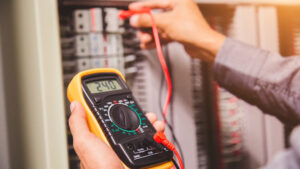
During the inspection, a qualified electrician tests and examines areas including:
- Wiring systems
- Consumer units
- Earthing and bonding
- Sockets and switches
- Lighting circuits
- Circuit protection devices
The electrician then records observations and categorises any defects according to their severity.
The inspection helps determine whether the installation is satisfactory or whether remedial work is required.
Why EICR Certificate Inspections Matter
Electrical faults are one of the leading causes of accidental fires in UK properties. Many issues develop gradually and remain hidden behind walls, ceilings and consumer units.
An EICR certificate inspection can identify problems before they create serious risks such as:
- Electric shock
- Electrical fires
- Overloaded circuits
- Damaged appliances
- Power failures
- Insurance complications
Landlords also have legal responsibilities regarding electrical safety standards in rented accommodation.
Guidance from organisations such as Electrical Safety First explains why regular testing is essential for maintaining safe installations.
Outdated Consumer Units
One of the most common issues found during an EICR certificate inspection is an outdated consumer unit.
Older fuse boards may lack modern safety devices such as:
- RCD protection
- Surge protection
- Proper circuit separation
- Modern circuit breakers
Properties with rewireable fuses instead of modern circuit breakers are particularly common in older homes across the UK.
Why This Matters
Modern RCD devices help disconnect power rapidly during faults, reducing the risk of electric shock and fire. Without this protection, occupants may face significantly higher risks.
In many cases, upgrading the consumer unit becomes one of the most important recommendations following inspection.
Damaged or Deteriorated Wiring
Electrical wiring naturally degrades over time. Insulation can crack, cables may overheat and connections can loosen through years of use.
Common warning signs include:
- Brittle cable insulation
- Overheating conductors
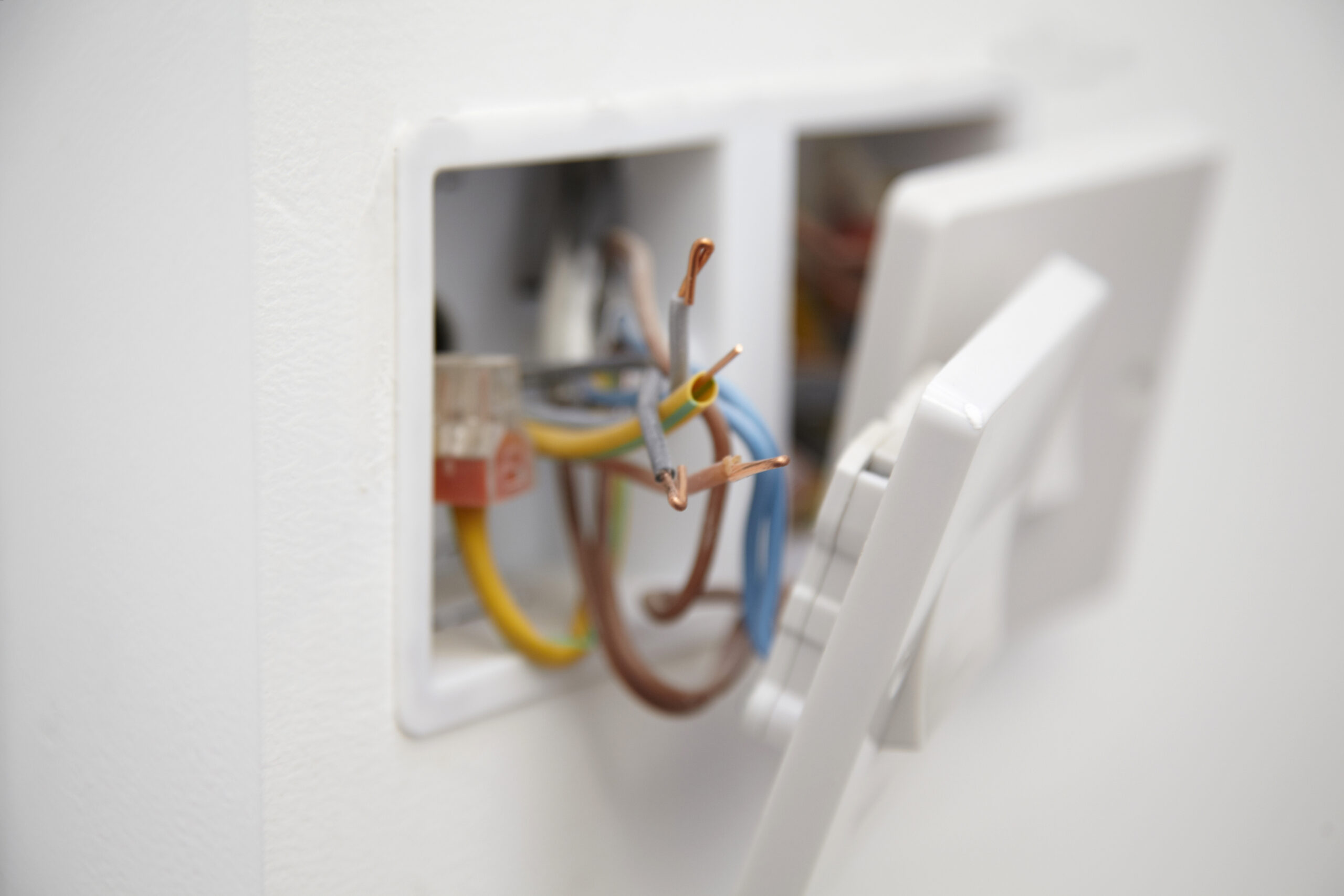
- Exposed wiring
- Improper cable joins
- Signs of previous overheating
Properties that have undergone multiple extensions or renovations sometimes contain a mixture of old and new wiring systems, which can create additional complications.
Real-World Example
A landlord arranging an EICR for a rental property in Southampton discovered older rubber-insulated wiring hidden above suspended ceilings. The wiring had become brittle and unsafe due to age, despite the property appearing perfectly functional during normal use.
Without inspection, the issue may have remained unnoticed until failure occurred.
Lack of Earthing and Bonding
Earthing and bonding are critical safety features within any electrical installation. They help prevent dangerous voltages building up during electrical faults.
Older properties frequently fail EICR inspections due to:
- Missing main earth connections
- Inadequate bonding to gas pipes
- Missing bonding to water services
- Incorrect earthing arrangements
These problems are especially common in homes that have not received major electrical upgrades for many years.
Why Proper Bonding Is Important
Without correct earthing and bonding, electrical faults may not disconnect safely. This increases the risk of electric shock significantly.
Many property owners are unaware of bonding requirements until an EICR inspection highlights deficiencies.
Overloaded Circuits
Modern households use far more electrical equipment than properties were originally designed to handle decades ago.
An inspection may reveal overloaded circuits caused by:
- Too many appliances on one circuit
- Additional sockets added incorrectly
- Inadequate circuit design
- Kitchen upgrades without electrical improvements
Overloaded circuits can lead to nuisance tripping, overheating cables and increased fire risk.
What Happens If Circuits Are Overloaded?
Over time, excessive electrical load generates heat within wiring and connections. This can gradually damage insulation and create hidden fire hazards behind walls and ceilings.
Professional testing helps identify these issues before more serious damage occurs.
DIY Electrical Work
Improper DIY electrical work is another major problem frequently identified during EICR certificate inspections.
Common examples include:
- Unsafe socket additions
- Incorrect cable sizing
- Loose terminations
- Poorly fitted lighting
- Incorrect junction boxes
- Unsafe outdoor wiring
Some alterations may appear functional while still failing to meet current safety regulations.
Hidden Risks of DIY Work
Poor workmanship often remains concealed until testing is carried out. Loose connections can generate heat for years before eventually causing faults or fire damage.
Professional electrical work provides far greater long-term reliability and safety.
Faulty RCD Protection
Even where RCD protection exists, devices may fail testing or operate incorrectly.
Common issues include:
- RCDs not tripping within required times
- Incorrect installation
- Shared neutral faults
- Damaged protective devices
Testing verifies whether protective systems function correctly during fault conditions.
Unsafe Lighting Installations
Lighting circuits frequently produce EICR observations, especially in older properties.
Typical problems include:
- Exposed wiring at fittings
- Incorrect bathroom lighting zones
- Damaged ceiling roses
- Inadequate fire protection
- Poorly installed downlights
Bathroom installations are particularly important because of increased moisture levels and shock risks.
What Happens If an EICR Certificate Inspection Finds Problems?
Not every issue automatically means a property is unsafe. Observations are classified according to severity.
Categories may include:
- Immediate danger requiring urgent action
- Potentially dangerous conditions
- Improvement recommendations
Where serious defects exist, remedial work should be completed quickly to restore compliance and safety.
In many cases, relatively straightforward repairs can resolve issues efficiently.
How Property Owners Can Prepare
Before arranging an EICR inspection, property owners can help the process run smoothly by:
- Providing access to all electrical areas
- Identifying recent alterations
- Reporting known issues
- Ensuring power can be isolated safely
- Gathering previous certification where available
However, hidden faults often remain impossible to identify without professional testing equipment.
Frequently Asked Questions
What faults usually fail an EICR certificate inspection?
Common failures include outdated consumer units, damaged wiring, missing bonding, overloaded circuits and unsafe DIY electrical work.
Can old wiring affect an EICR certificate inspection result?
Yes. Older wiring systems may fail if insulation has deteriorated or if the installation no longer meets modern safety standards.
What happens if my property fails the inspection?
The electrician will explain the defects found and recommend remedial work required to achieve a satisfactory result.
Are overloaded circuits common during inspections?
Yes. Many older properties were not designed for modern electrical demand, making overloaded circuits relatively common.
How often should an EICR certificate inspection be carried out?
Frequency depends on property type and use. Rental properties, commercial premises and older homes may require more regular inspections.
An EICR certificate inspection provides valuable reassurance that your electrical installation remains safe, compliant and suitable for continued use. Identifying faults early can prevent more serious electrical problems developing later.
For professional electrical inspections and testing, contact Big Fish Electricians today.
Phone: 07789 214528
Email: mike.thomas@bigfishea.co.uk
Find out more: Big Fish Electricians
Find us on Checkatrade: https://www.checkatrade.com/trades/bigfishealtd