LED lighting can reduce electricity bills because it uses significantly less energy than older incandescent, halogen and some fluorescent lighting. For many homes, switching to LED bulbs and fittings is one of the simplest ways to lower lighting-related energy use without changing how the rooms are used.
Lighting is only one part of a household electricity bill, so LED lighting will not solve every energy cost concern by itself. However, the savings can still be worthwhile, especially in homes with older halogen downlights, frequently used lights, outdoor lighting, kitchen lighting or decorative fittings with multiple bulbs.
The biggest benefit of LED lighting is efficiency. LEDs convert more of the electricity they use into light, with less energy wasted as heat. They also tend to last longer than traditional lamps, which can reduce replacement costs and maintenance over time.
Why LED Lighting Uses Less Electricity
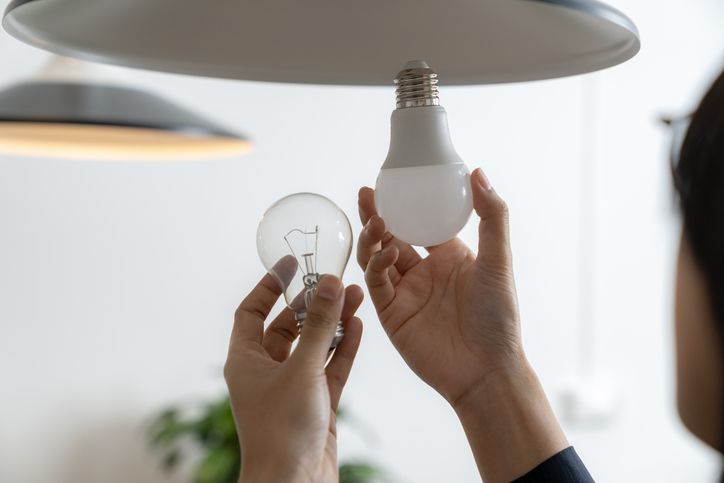
LED stands for light emitting diode. Unlike older incandescent or halogen bulbs, which produce light by heating a filament, LEDs produce light electronically. This means they can create the same level of brightness using much less electricity.
A traditional halogen downlight might use 35W or 50W per fitting. An LED alternative may use a fraction of that while providing similar useful light. If a room has several downlights, the difference can add up quickly.
For example, a kitchen with ten older 50W halogen downlights could use around 500W when all lights are on. Replacing those with 6W LED alternatives could reduce that lighting load to around 60W. The exact saving depends on the fittings, usage and electricity tariff, but the reduction in energy demand can be substantial.
LEDs are also more efficient because they produce less heat. Anyone who has stood beneath old halogen downlights will know how hot they can become. That heat is wasted energy, and in some settings it can also make rooms warmer than intended.
How Much Energy Does LED Lighting Use Compared With Older Bulbs?
LED lighting typically uses much less energy than older bulb types. The exact comparison depends on the lamp, fitting and brightness level, but the difference is usually clear.
Older incandescent bulbs were particularly inefficient. Much of their energy was lost as heat rather than useful light. Halogen bulbs improved on traditional incandescent lamps, but they still use much more energy than LEDs.
Fluorescent lighting can be more efficient than incandescent lighting, but many older fluorescent fittings are less appealing in domestic settings and may not offer the same flexibility, lifespan or instant brightness as modern LED products.
The key point is that wattage measures energy use, not brightness. A lower-wattage LED can often provide similar brightness to a much higher-wattage older bulb. When comparing options, it is better to look at lumens, which indicate light output, rather than assuming higher wattage means better lighting.
Which Rooms Benefit Most from LED Lighting?
The rooms that benefit most are usually the ones where lights are used often or where there are several fittings.
Kitchens
Kitchens are often one of the best places to upgrade to LED lighting. They may have ceiling downlights, under-cabinet lights, pendant lights and extractor lighting. Because kitchens are used for cooking, cleaning, eating and family routines, lighting may be on for long periods.
Replacing older halogen downlights with LED alternatives can make a noticeable difference. Under-cabinet LED lighting can also improve task lighting over worktops without using much energy.
Living Rooms
Living rooms often use a mixture of ceiling lights, lamps, wall lights and decorative fittings. LED lamps can reduce running costs while still creating a warm, comfortable atmosphere.
The key is choosing the right colour temperature. Warm white LEDs often work well in lounges because they feel softer and more relaxing than cool white lamps.
Bedrooms
Bedrooms may not use as much lighting as kitchens, but LED bedside lamps, ceiling lights and wardrobe lighting can still reduce energy use. LEDs are also useful for low-level lighting, reading lights and dimmable schemes when compatible equipment is chosen.
Bathrooms
Bathrooms can benefit from LED lighting because modern bathroom fittings can provide clear, efficient light around mirrors, showers and general areas. However, bathroom lighting must be suitable for the correct electrical zones and installed safely.
Outdoor Areas
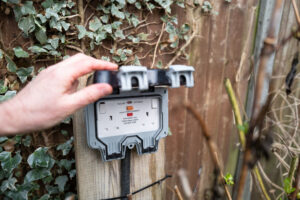
Outdoor lighting can use a lot of electricity if it is left on for long periods. LED security lights, garden lighting and pathway lights can reduce running costs compared with older halogen floodlights.
Outdoor LEDs should be suitable for external use and installed with the right weather protection. Poorly installed outdoor lighting can still cause tripping, water ingress and safety issues.
Are LED Lights Cheaper to Run Long Term?
LED lights are usually cheaper to run long term because they use less electricity and tend to last longer than older lamps. Although some LED products cost more to buy upfront, the running cost savings and reduced replacement frequency can make them cost-effective over time.
This is especially true for lights that are used every day. A hallway light, kitchen downlight, shop display, office lighting or outdoor security light may be on for many hours each week. The more often a light is used, the more quickly energy savings can build.
Longer lifespan is another advantage. Replacing bulbs less often is convenient in homes, but it can be even more useful in commercial settings, rental properties, high ceilings, exterior lighting and hard-to-reach fittings.
However, quality matters. Very cheap LED lamps may fail early, flicker, produce poor colour or not work properly with dimmer switches. Choosing suitable products is important if you want reliable long-term performance.
What Should You Consider Before Replacing Old Lighting With LEDs?
Replacing a simple bulb with an LED equivalent can be straightforward, but not every lighting upgrade is just a bulb swap. The existing fittings, transformers, dimmers and wiring may affect what is suitable.
Fitting Type
Some fittings accept direct LED replacement lamps. Others may need the fitting changed completely. For example, older downlights may use lamps and transformers that are not ideal for LED conversion.
In some cases, replacing the full fitting gives better performance, safety and appearance than trying to adapt an old setup.
Dimmers
Not all LEDs are dimmable, and not all dimmer switches are compatible with LED lighting. If you install LED lamps on an old dimmer, you may experience flickering, buzzing, poor dimming range or early lamp failure.
If you want dimmable LED lighting, choose dimmable LED lamps or fittings and use a compatible dimmer switch. A professional electrician can advise on suitable combinations.
Colour Temperature
Colour temperature affects the atmosphere of a room. Warm white lighting is usually better for relaxing spaces, while neutral white can work well in kitchens, bathrooms and work areas.
Very cool lighting can feel harsh in a home if overused. Before replacing every lamp, think about how each room should feel as well as how bright it needs to be.
Brightness
Because LEDs use lower wattage, brightness should be compared using lumens. If you choose LEDs that are too dim, the room may feel gloomy. If you choose lights that are too bright, it may feel uncomfortable.
Good lighting design balances efficiency with comfort and practicality.
Can LED Lighting Reduce Bills in Older Homes?
Yes, LED lighting can reduce lighting costs in older homes, especially where old halogen downlights or inefficient decorative lamps are still used. However, older homes may need extra care before changes are made.
Some older properties have outdated wiring, older consumer units, poor earthing or fittings that have been altered over time. If lights flicker, switches buzz, circuits trip or fittings show signs of overheating, those issues should be checked before upgrading.
LED lighting can also reveal compatibility issues. For example, older dimmer switches may not work properly with LED lamps. Transformers used with old low-voltage halogen downlights may also need replacing.
If the property has not had electrical testing for many years, an inspection may be sensible before major lighting changes.
Can LED Lighting Improve More Than Energy Efficiency?
LED lighting can reduce electricity use, but it can also improve comfort, visibility and room design. A well-planned LED upgrade can make a room feel brighter, more modern and easier to use.
For example, under-cabinet LEDs can make kitchen worktops safer and more practical. LED mirror lighting can improve bathroom visibility. Wardrobe lighting can make storage easier. Outdoor LED lighting can improve security and access around paths, drives and entrances.
LEDs are also available in compact forms, which allows for more flexible lighting design. Strip lighting, recessed fittings, slimline units and low-profile lights can be used in places where older lighting would be bulky or inefficient.
Can Professional LED Lighting Installation Improve Efficiency?
Professional installation can improve efficiency by making sure the right fittings are used in the right places. An electrician can assess the existing wiring, check compatibility, install suitable controls and position lighting for better coverage.
This is especially useful for downlight replacement, kitchen lighting, bathroom lighting, outdoor lighting and commercial lighting. Poorly planned LED lighting can leave shadows, cause glare or create uneven brightness, even if the lamps themselves are efficient.
Professional installation also helps avoid safety problems. Lighting work may involve fixed wiring, ceiling voids, insulation, bathroom zones, external fittings or new switching arrangements. These should be handled correctly and tested where required.
Are LED Downlights Worth It?
LED downlights are often worth considering if your home still has older halogen downlights. Halogen downlights can use a lot of energy, particularly in kitchens, bathrooms, hallways and living areas with multiple fittings.
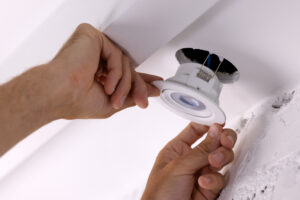
LED downlights can provide similar or better light output with much lower energy use. They also generate less heat, which can be beneficial in ceilings and enclosed spaces.
When replacing downlights, consider the beam angle, brightness, colour temperature, fire rating, insulation compatibility and dimming requirements. A like-for-like visual replacement may not always be the best technical choice.
Can LED Lighting Help Businesses Reduce Costs?
LED lighting can be especially useful for businesses because lights may be used for long periods every day. Offices, shops, workshops, hospitality venues and commercial premises can all benefit from lower running costs and reduced maintenance.
A business with older fluorescent panels, halogen display lighting or inefficient exterior lighting may see meaningful savings from an LED upgrade. Better lighting can also improve working conditions, customer experience and presentation.
Commercial lighting upgrades should be planned carefully to avoid disruption and ensure the lighting levels suit the space. Emergency lighting, signage, external access and compliance requirements may also need to be considered.
What Mistakes Should You Avoid When Switching to LED?
A common mistake is choosing LED lamps based only on price. Poor-quality products may flicker, fail early or produce unpleasant light. Another mistake is ignoring dimmer compatibility, which can lead to buzzing or unstable lighting.
It is also easy to choose the wrong colour temperature. Cool white LEDs may look bright in the shop but feel harsh in a living room. Warm white may feel comfortable in a bedroom but not clear enough for detailed kitchen tasks.
Another issue is replacing lamps without considering the wider lighting design. A room may still feel dark if light is poorly positioned, even if the bulbs are efficient. In some cases, adding task lighting or changing fitting positions is more effective than simply increasing brightness.
How Quickly Can LED Lighting Pay for Itself?
The payback period depends on how many lights are replaced, how often they are used, the wattage difference and the cost of electricity. Lights used for long periods will usually offer faster savings.
A frequently used kitchen, hallway, office or exterior light may justify an upgrade quickly. A rarely used cupboard light will still use less energy as an LED, but the financial saving will be smaller.
The best approach is to prioritise high-use areas first. Replacing the most frequently used lights gives the greatest immediate benefit, then less-used areas can be upgraded gradually.
Frequently Asked Questions
Do LED lights really save electricity?
Yes. LED lights use much less electricity than older incandescent and halogen bulbs while providing similar brightness. The savings depend on how many lights are changed and how often they are used.
Can I replace halogen bulbs with LED bulbs?
Sometimes, but it depends on the fitting, transformer and dimmer switch. Some halogen fittings can accept LED replacements, while others are better replaced with dedicated LED fittings.
Why do my LED lights flicker?
LED lights may flicker because of incompatible dimmers, poor-quality lamps, transformer issues, loose connections or wiring problems. If flickering is repeated or affects several lights, it should be checked.
Are LED lights safe in bathrooms?
LED lights can be safe in bathrooms when the fittings are suitable for the correct bathroom zone and installed properly. Bathroom lighting should be selected and fitted with electrical safety requirements in mind.
Are LED lights worth it for outdoor lighting?
Yes, LED outdoor lighting can reduce energy use, especially for security lights or garden lighting used regularly. Outdoor fittings must be weatherproof, suitable for external use and installed safely.
Final Thoughts
LED lighting can reduce electricity bills by using much less energy than older lighting, especially halogen and incandescent bulbs. The biggest savings are usually found in high-use areas such as kitchens, living spaces, hallways, outdoor lighting and commercial premises.
The best results come from choosing suitable fittings, correct brightness, appropriate colour temperature and compatible controls. For simple lamps, replacement may be straightforward. For fixed lighting, downlights, bathrooms, outdoor electrics or dimmable schemes, professional advice can help ensure the upgrade is safe, efficient and reliable.
For LED lighting upgrades, lighting design and electrical installation across Hampshire and the surrounding areas, contact Big Fish Electrician.
Phone: 07789 214528
Email: mike.thomas@bigfishea.co.uk
Find out more: https://bigfishea.co.uk/
Find us on Checkatrade: https://www.checkatrade.com/trades/bigfishealtd