Choosing the right home EV charger is an important step for any homeowner moving to an electric vehicle. While public charging points continue to improve across the UK, home charging remains the most convenient and cost-effective option for most drivers. Being able to plug in overnight and start each day with a fully charged vehicle is one of the biggest advantages of electric car ownership.
However, not all home EV chargers are the same. The right solution for one property may not suit another. Factors such as your vehicle type, parking arrangement, electrical system and charging habits all play a part in selecting the right equipment.
Understanding what to look for before installation can help you avoid unnecessary costs, improve charging efficiency and ensure your system remains suitable for future needs.
Why More UK Homeowners Are Installing Home EV Chargers
The number of electric vehicles on UK roads continues to increase every year. As more drivers move away from petrol and diesel vehicles, demand for reliable domestic charging solutions has grown significantly.
A professionally installed home charging system offers several advantages:
- Faster charging than a standard three-pin plug
- Lower running costs compared to many public charging stations
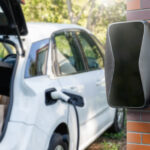
- Greater convenience for overnight charging
- Improved property appeal for future buyers
- Better charging safety and electrical protection
Many homeowners quickly realise that relying entirely on public chargers can become inconvenient, especially during busy periods or long working days. A dedicated charger at home gives far more flexibility.
Understanding Different Home EV Charger Types
One of the first decisions involves selecting the correct charger specification. Most domestic systems fall into two common categories.
3.6kW Chargers
These slower chargers are suitable for some plug-in hybrid vehicles and drivers with lower daily mileage. They can still fully charge many vehicles overnight but are less common for fully electric cars.
7kW Chargers
A 7kW charger is now the standard choice for most UK homes. It offers significantly faster charging times and is compatible with most modern electric vehicles.
For example, a driver returning home with 40% battery remaining may fully recharge overnight using a 7kW system, making daily use far easier.
Some larger properties or commercial premises may consider faster systems, although these often require more complex electrical upgrades.
Smart Chargers vs Standard Chargers
Smart charging technology has become increasingly popular in recent years. A smart home ev charger allows users to control charging remotely through a mobile app.
Features often include:
- Scheduled charging during cheaper off-peak tariffs
- Energy usage monitoring
- Charging history reports
- Solar panel integration
- Load balancing
- Remote start and stop controls
For homeowners using time-of-use electricity tariffs, smart charging can help reduce energy costs considerably.
A standard charger may still suit some users, particularly those seeking a simpler setup without additional features. However, most homeowners now prefer the flexibility of smart systems.
What to Check Before Installation
Before arranging installation, several property-specific factors should be assessed.
Consumer Unit Capacity
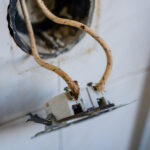
Your existing electrical system must safely support the additional load created by EV charging. Older consumer units may require upgrading to modern RCD-protected systems before installation can proceed safely.
This is especially common in older UK properties that have not had recent electrical upgrades.
Parking Location
The position of your parking area affects installation complexity. A driveway directly beside the property is usually straightforward, while detached garages or roadside parking may require additional cabling work.
Internet Connectivity
Some smart chargers rely on stable Wi-Fi or mobile connectivity for app-based controls and updates. Poor signal strength near the charger location can affect functionality.
Future Vehicle Plans
Some homeowners initially install a charger for one vehicle, only to purchase a second electric car later. Choosing a charger with future expansion in mind may help avoid replacement costs later.
Real-World Example: Why Home EV Charger Choice Matters
A homeowner in Southampton recently upgraded from a plug-in hybrid to a fully electric SUV. Their original slower charger worked adequately for shorter journeys but became frustrating after the vehicle upgrade.
Longer charging times meant the vehicle was not always ready for morning use, especially after longer evening journeys. After switching to a smart 7kW charger with scheduled overnight charging, the system became far more practical for daily family use.
Situations like this are increasingly common as vehicle technology evolves.
Common Mistakes Homeowners Make
Many installation issues begin with choosing equipment based purely on price rather than suitability.
Choosing the Cheapest Charger
Low-cost chargers may lack useful safety features, smart controls or long-term reliability. A cheaper unit can become more expensive over time if replacement or repair is needed.
Ignoring Electrical Upgrades
Some homeowners attempt to avoid upgrading older electrical systems to reduce installation costs. This can create safety risks and future compliance problems.
Poor Charger Positioning
Incorrect placement may make charging awkward or leave cables stretched across access routes.
Not Considering Future Use
A charger suitable today may not support future charging demands if vehicle ownership changes.
How Long Does Installation Take?
Most standard domestic installations can be completed within a single day. Simpler installations may take only a few hours, while more complex projects involving cabling routes or consumer unit upgrades can take longer.
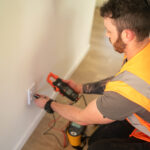
A professional electrician will normally carry out:
- Initial assessment
- Electrical testing
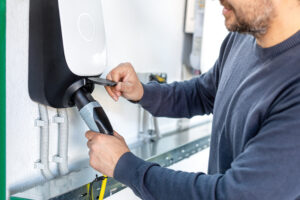
- Safe installation
- Charger configuration
- Final certification and testing
Proper certification is essential to confirm the installation complies with current UK electrical regulations.
Can Older Properties Have Home EV Chargers?
Yes, although older properties may need additional electrical work before installation.
Homes with outdated fuse boxes, insufficient earthing arrangements or overloaded circuits may require upgrades first. While this adds to initial costs, it also improves overall electrical safety throughout the property.
In many cases, upgrading older electrical systems benefits homeowners beyond EV charging alone.
Charging Costs and Running Expenses
Charging at home is usually far cheaper than relying entirely on public rapid charging stations.
Costs depend on:
- Electricity tariff
- Vehicle battery size
- Charging times
- Smart tariff usage
- Daily mileage
Many homeowners reduce charging costs further by using overnight off-peak tariffs.
For broader guidance on electric vehicle charging infrastructure in the UK, the UK Government provides useful information through UK electric vehicle guidance.
Why Professional Installation Matters
Electrical vehicle charging systems place significant demands on domestic electrical systems. Professional installation ensures:
- Safe cabling and protection
- Compliance with UK regulations
- Correct load calculations
- Proper earthing arrangements
- Reliable long-term operation
DIY electrical work involving EV charging can create serious safety risks and may invalidate insurance policies.
An experienced electrician can also advise on charger positioning, future-proofing and smart charging setup.
Frequently Asked Questions
What size home EV charger do I need?
Most UK homeowners choose a 7kW charger because it offers practical overnight charging speeds for fully electric vehicles.
Can I install a home EV charger at an older property?
Yes, although older properties sometimes require consumer unit upgrades or electrical improvements before installation.
Is a smart charger worth the additional cost?
For many households, yes. Smart chargers allow scheduled charging during cheaper tariffs and provide better monitoring and convenience.
How long does it take to charge an electric car at home?
Charging times depend on battery size and charger speed. Many vehicles can fully charge overnight using a 7kW system.
Do I need a qualified electrician for installation?
Yes. EV charger installations should always be completed by a qualified electrician to ensure safety and compliance.
Choosing the right home EV charger setup can make electric vehicle ownership far more convenient and cost-effective. A professionally installed system tailored to your property and driving habits will provide safer charging, greater reliability and better long-term value.
To speak with an experienced electrician about EV charger installation, contact Big Fish Electricians today.
Phone: 07789 214528
Email: mike.thomas@bigfishea.co.uk
Find out more: Big Fish Electricians
Find us on Checkatrade: https://www.checkatrade.com/trades/bigfishealtd