EV charger installation is becoming a standard upgrade for UK homeowners as electric vehicles continue to grow in popularity. Charging at home offers convenience, lower running costs and greater control over how and when your vehicle is charged. However, EV charger installation is not a simple plug-and-play job. It requires proper electrical planning, safe installation and compliance with UK regulations to ensure long-term reliability.
Can You Install an EV Charger at Home in the UK?
Most UK properties can support EV charger installation, but not all are immediately ready without some form of upgrade. The key factor is whether your existing electrical system can safely handle the additional load.
Before installation, an electrician will assess:
- The capacity of your consumer unit
- Earthing and bonding arrangements
- Distance between your parking space and the property
- Available routes for cabling
- Overall electrical demand within the home
For example, in newer properties with modern consumer units, EV charger installation is often straightforward. In contrast, older homes may require upgrades before installation can proceed safely.
How EV Charger Installation Works
EV charger installation involves installing a dedicated electrical circuit that can handle high loads safely and consistently.
A typical installation process includes:
- Initial survey and load assessment
- Selecting a suitable charger based on usage needs
- Installing a dedicated circuit from the consumer unit
- Running armoured cabling to the installation point
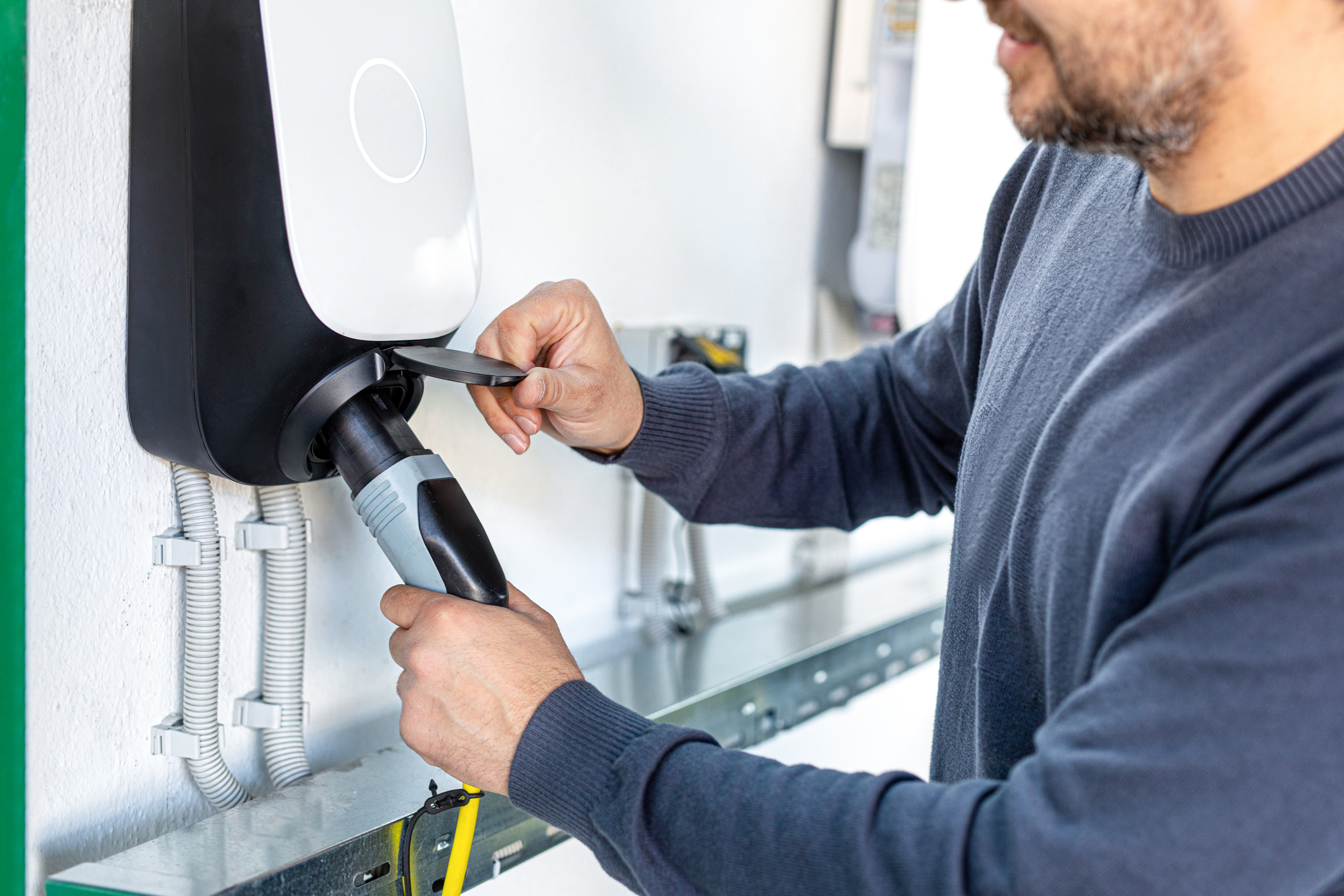
- Mounting the charger securely
- Connecting and configuring the system
- Testing and certification
Unlike using a standard socket, EV charger installation ensures your vehicle can charge efficiently without overloading your electrical system.
In real-world scenarios, the complexity of EV charger installation often depends on how close your parking space is to your consumer unit. A driveway directly next to the property is far simpler than running cables across a garden or detached garage.
Do You Need a Special Electrician for EV Charger Installation?
Yes, EV charger installation should always be carried out by a qualified electrician with relevant experience.
This is important because:
- EV chargers operate at high electrical loads
- Installation must comply with BS 7671 wiring regulations
- Incorrect installation can create fire or shock risks
- Certification is required for safety and insurance purposes
Many installers are also registered with approved schemes, ensuring the work meets recognised standards.
Attempting to cut corners here can lead to ongoing issues such as nuisance tripping, poor charging performance or even system failure.
How Much Does EV Charger Installation Cost?
The cost of EV charger installation in the UK varies depending on the complexity of the job and the type of charger selected.
Typical costs include:
- Standard installation: £800 to £1,200
- Complex installations: £1,200 to £2,000+
- Factors affecting the cost include:
- Distance from the consumer unit
- Cable routing difficulty
- Groundworks or drilling requirements
- Electrical upgrades needed
- Charger specification and features
For example, installing a charger on a front wall with direct access to the consumer unit is usually straightforward. Installing one in a detached garage may require trenching and additional materials, increasing the overall cost.
Will Your Electrical System Support an EV Charger?
Not all homes are immediately suitable for EV charger installation. Some properties, particularly older ones, may need upgrades to safely support the load.
Common requirements include:
- A modern consumer unit with available capacity
- Proper earthing arrangements
- Dedicated circuit protection
- Load management to prevent overload
In some cases, your electricity supplier may also need to be notified, particularly for higher-powered installations.
If your system is not suitable, your electrician will recommend necessary upgrades before proceeding.
Types of EV Chargers for Home Installation
Choosing the right charger is a key part of EV charger installation. The most common options include:
3kW Chargers
Slower charging speeds, generally not ideal for daily use but may suit properties with limited capacity.
7kW Chargers
The most popular choice in the UK, offering a good balance between speed and cost. Most homes are suitable for this type.
Smart Chargers
These allow you to:
- Schedule charging during off-peak hours
- Monitor energy usage
- Control charging remotely via an app
Smart EV charger installation is becoming increasingly common, especially with rising energy costs.
How Long Does EV Charger Installation Take?
Most EV charger installation jobs can be completed within a single day.
Typical timeframes:
- Simple installations: 3 to 5 hours
- More complex installations: full day or longer
Delays can occur if additional electrical work is required or if access to installation areas is limited.
Real-World Considerations Before Installing
There are a few practical considerations that often get overlooked when planning EV charger installation.
Charger Location
Think about how you park your vehicle. The charger should be positioned for easy access without stretching cables across walkways.
Future Needs
If you plan to upgrade your vehicle or add a second EV, it may be worth installing a more capable system from the start.
Cable Management
Poor cable routing can create trip hazards or inconvenience. A professional installation ensures clean and practical cable placement.
Energy Tariffs
Many EV owners benefit from off-peak tariffs. Smart chargers can help maximise these savings automatically.
Benefits of EV Charger Installation at Home
Installing an EV charger at home offers clear advantages:
Convenience
Charge your vehicle overnight without relying on public infrastructure.
Lower Running Costs
Home charging is generally cheaper than public charging, especially on off-peak tariffs.
Faster Charging
Dedicated chargers are significantly faster than standard sockets.
Increased Property Appeal
As EV adoption grows, EV charger installation can make your home more attractive to buyers.
Common Mistakes to Avoid
When planning to install an EV charger, avoid these common issues:
- Choosing the cheapest charger without considering features
- Ignoring electrical capacity requirements
- Poor placement of the charging unit
- Attempting DIY installation
- Not planning for future EV use
Working with a qualified electrician helps avoid these pitfalls and ensures the system is designed correctly from the start.
Why Professional EV Charger Installation Matters
EV charger installation is a specialist job that requires proper planning and execution. A professional approach ensures:
- Safe and compliant installation
- Correct system design
- Reliable long-term performance
- Full certification and documentation
This not only protects your property but also ensures your EV charging setup works efficiently for years to come.
Frequently Asked Questions
Q1: Can I use a normal plug socket to charge my EV?
It is possible, but not recommended for regular use. Standard sockets are slower and not designed for continuous high loads.
Q2: Do I need permission to install an EV charger?
In most cases, EV charger installs fall under permitted development, so planning permission is not required.
Q3: Are grants available for EV chargers?
Some grants are available for flats and rental properties. Availability changes, so it is best to check current schemes.
If you are considering EV charger installation, getting the right setup from the start will save time, money and hassle in the long run.
For professional EV charger installation:
- Phone: 07789 214528
- Email: mike.thomas@bigfishea.co.uk
- Find out more: https://bigfishea.co.uk/
For reliable electrical work in Portsmouth and beyond, get in touch. https://bigfishea.co.uk/contact/
Or find us on Checkatrade: https://www.checkatrade.com/trades/bigfishealtd