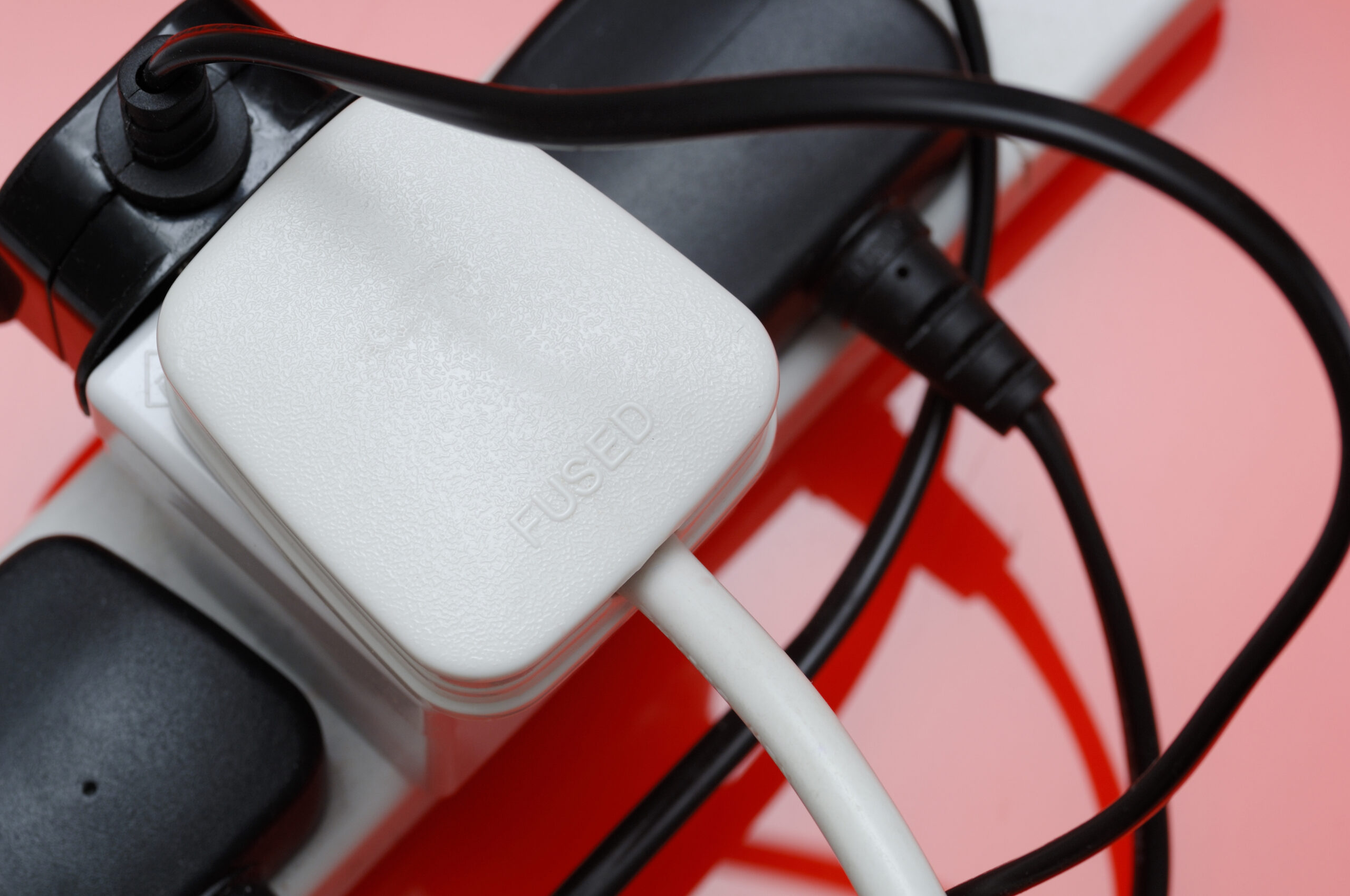
Extension leads can be useful when you need temporary access to electricity, but they are not always the best long-term solution. When a room regularly depends on trailing cables, multiple adaptors or several appliances sharing one wall socket, adding extra plug sockets may be safer, tidier and more practical.
The clearest sign that you need additional sockets is that extension leads have effectively become permanent fixtures. A lead used occasionally for a vacuum cleaner or power tool is very different from one that remains connected behind a television, under a desk or beside a bed every day.
Installing extra sockets can reduce cable clutter, make appliances easier to use and help prevent sockets and extension leads from being overloaded. However, new sockets must be installed correctly and connected to a circuit that can safely support the additional demand.
Are extension leads safe for permanent use?
A suitable extension lead can be used safely when it is in good condition, correctly rated and not overloaded. It can provide a practical temporary solution when a wall socket is not close enough to the equipment you need to use.
Problems arise when extension leads are treated as a permanent substitute for an adequate electrical installation.
A household may begin with one extension lead behind the television. Over time, that lead might be used for a television, router, games console, sound system and several chargers. Another extension may then be connected elsewhere in the room because the original sockets no longer meet the household’s needs.
Although the arrangement may appear to work, it can create several avoidable risks. Cables may become trapped behind furniture, damaged by foot traffic or covered by rugs. The lead may also be loaded beyond its safe rating, particularly when higher-powered appliances are connected.
Electrical Safety First advises that extension leads should not be overloaded and that an extension lead should never be plugged into another extension lead. Overloading can cause the lead, adaptor or wall plug to overheat and potentially start a fire.
An extension lead is therefore most appropriate when:
- The equipment is only used occasionally.
- The lead is visible and can be checked easily.
- The total electrical load remains within its rating.
- The cable is not creating a trip hazard.
- The lead is not connected to another extension lead.
- The cable and plugs show no signs of wear or heat damage.
When these conditions cannot be maintained, installing additional sockets is usually worth considering.
When do extension leads become a warning sign?
The number of extension leads in a property does not automatically mean that the electrical installation is unsafe. However, certain patterns suggest that the original socket layout no longer matches how the home is being used.
Extension leads are permanently connected
A lead that has remained in the same position for months or years is serving as part of the fixed electrical setup, even though it was not designed as a fixed installation.
This is common behind televisions, beside beds and underneath home-office desks. Because the lead is rarely moved, deterioration may go unnoticed. Dust can build up around plugs, cables can become compressed behind furniture and loose connections may not be spotted.
Additional wall sockets in the correct positions may remove the need for the extension lead entirely.
You are using extension leads in several rooms
Using one extension lead occasionally is different from relying on them throughout the property.
If bedrooms, living rooms and workspaces all require extension leads, the socket layout may be outdated or unsuitable for the number of electrical products now used in the home. Older properties were often designed before households regularly used computers, televisions, broadband equipment, mobile chargers and kitchen appliances simultaneously.
Installing extra sockets can modernise the property and make its electrical system more suitable for everyday life.
You are connecting one extension lead to another
Connecting extension leads together is sometimes called daisy-chaining. It may appear to solve the problem of reaching a distant appliance, but it increases the risk of overloading and creates additional plug connections that can become loose or damaged.
Electrical Safety First states that only one socket extension lead should be used per wall socket and that extension leads should never be plugged into one another.
If one lead is not long enough or does not provide enough outlets, the safer long-term option may be to install a socket closer to where the electricity is needed.
Cables are crossing floors or doorways
Trailing cables create more than an electrical concern. They can become trip hazards, particularly in hallways, living rooms and home offices.
A cable crossing a doorway may be repeatedly walked on, caught beneath the door or damaged by furniture. Placing a rug over the cable can hide the trip hazard but may also trap heat and make damage harder to notice.
When equipment stays in the same location, a properly positioned socket usually provides a cleaner and safer arrangement.
Plugs or extension leads feel warm
A plug, socket or extension lead that becomes unusually hot needs attention. Heat can indicate overloading, a poor connection or damage within the plug, lead or socket.
Other warning signs include:
- Scorch marks or discolouration
- A burning smell
- Crackling or buzzing sounds
- Melted plastic
- Loose plugs
- Damaged cable insulation
- Intermittent power
Stop using the affected equipment and arrange for the cause to be investigated. Adding sockets will not correct an existing electrical fault, so the installation should be checked before changes are made.
What are the risks of overloading an extension lead?
An extension lead does not create more electrical capacity. It simply allows several plugs to draw power from one wall socket.
Many UK extension leads are rated at a maximum of 13 amps, although some older leads and cable reels may have lower ratings. Electrical Safety First recommends checking the rating shown on the lead or in the manufacturer’s instructions before connecting appliances.
The risk depends on what is connected, not only on the number of plugs.
Several low-powered devices, such as a monitor, phone charger and router, may use much less electricity than a kettle, portable heater or tumble dryer. An extension lead with four occupied sockets is not necessarily overloaded, but it can be if the combined demand of the appliances exceeds its rating.
Overloading may cause the extension lead, plug or wall socket to overheat. London Fire Brigade identifies overloaded sockets as one of the common causes of electrical fires in homes.
Cable reels require particular care. If a reel is carrying a substantial load while the cable remains wound around the drum, heat can build up within the coiled cable. It should be fully unwound before use, following the manufacturer’s instructions.
Which appliances should have their own plug socket?
High-powered appliances are generally better connected directly to a suitable wall socket rather than sharing an extension lead with other equipment.
Examples can include:
- Washing machines
- Tumble dryers
- Dishwashers
- Electric heaters
- Kettles
- Air fryers
- Microwaves
- Portable air-conditioning units
The exact power demand varies between appliances, so the manufacturer’s instructions should always be followed. Fire and rescue services advise that high-powered appliances such as washing machines and kettles should have a socket to themselves rather than sharing an extension lead.
This is particularly important in kitchens and utility rooms, where several high-demand appliances may be used close together.
A kitchen may appear to have numerous sockets but still lack enough suitable outlets if kettles, coffee machines, toasters, microwaves and other appliances all need to be connected in the same area. Adding sockets in carefully selected positions can make the room more functional while reducing the temptation to overload an adaptor.
Where are additional sockets most useful?
The best socket positions depend on the layout of the property and how each room is used.
Living rooms and entertainment areas
Modern entertainment areas often contain several devices, including a television, broadband router, streaming device, games console, soundbar and lighting.
A single double socket may no longer be sufficient. Installing additional sockets behind or beside the television unit can reduce visible cables and remove the need for several adaptors.
The position should allow plugs to be accessed without being crushed behind furniture. Consideration may also be given to where data connections or television cables are required.
Home offices
Home offices can contain computers, monitors, printers, chargers, lamps and networking equipment. Using one overloaded extension lead beneath the desk can create a concentration of cables and power supplies.
Additional sockets positioned above or below desk level can make equipment easier to connect and help keep cables organised.
Before installation, think about how the space may change. A desk could be moved, another monitor might be added or the room may later be used by more than one person. Planning for realistic future needs can prevent another shortage of sockets.
Bedrooms
People often need sockets for bedside lamps, phone chargers, alarm clocks, televisions and other equipment. In older homes, the only socket may be positioned on the opposite side of the room from the bed.
This can lead to extension cables being run beneath beds or across walkways. Installing sockets on both sides of a double bed can provide convenient access while reducing trailing cables.
Socket positions should be considered alongside wardrobes, radiators and planned furniture so that plugs remain accessible.
Kitchens and utility rooms
Kitchen socket installations require careful planning because appliances may use considerable power and are often located near water.
Additional sockets may be useful for countertop appliances, but they need to be installed in appropriate positions and connected safely. An electrician should assess the existing circuit, the expected load and the location of sinks, hobs and fixed appliances.
Sockets should not be added simply to provide more outlets without considering whether the circuit can safely support the equipment.
Garages and workshops
Garages may need power for tools, freezers, chargers, lighting and garden equipment. A long extension lead running from the house is unlikely to be the best permanent arrangement.
A properly designed electrical supply with suitable sockets may be a safer and more convenient solution. Garages and workshops can present additional risks from moisture, dust and physical damage, so the equipment and installation method must be appropriate for the environment.
Outdoor areas
Standard indoor extension leads should not be used as permanent outdoor wiring.
Garden tools may be used with a suitable temporary outdoor lead, but fixed outdoor lighting, pond equipment, pumps or regularly used garden appliances may justify a professionally installed outdoor socket.
Outdoor electrical equipment requires appropriate protection against moisture and physical damage. Residual current device protection is also an important safety consideration.
Is adding a multi-socket adaptor enough?
A fused extension lead can provide additional temporary outlets, but it does not solve every socket shortage.
Block adaptors that plug directly into the wall can place mechanical strain on the socket because of the weight of multiple plugs and cables. Some fire and rescue services advise against their use and recommend a suitable fused extension lead as a safer temporary option.
Surge-protected leads may help protect certain electronic equipment from voltage spikes, but surge protection does not increase the lead’s maximum electrical capacity. The lead can still be overloaded.
An adaptor is therefore not a substitute for new sockets when:
- It is used continuously.
- High-powered equipment is connected.
- The cable creates a hazard.
- Several adaptors are required.
- The socket or plugs become warm.
- The arrangement prevents plugs from fitting securely.
- The room’s layout permanently requires more outlets.
What should you consider before installing new sockets?
Adding sockets involves more than choosing a convenient position. The existing electrical installation must be assessed to determine how the new outlets can be supplied safely.
The condition of the existing wiring
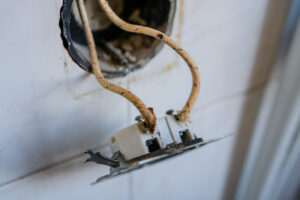
If the wiring is old, damaged or unsuitable, adding sockets may not be the first priority. Warning signs such as burning smells, discoloured accessories, frequent tripping or visibly deteriorated cables require investigation.
An electrician may recommend testing the relevant circuit before extending it.
The capacity and design of the circuit
New sockets increase the number of places where appliances can be connected. They do not automatically increase the amount of electricity the circuit can safely carry.
An electrician will need to consider the circuit arrangement, protective devices, cable condition and likely demand. In some cases, a new circuit may be more appropriate than extending an existing one.
The position of furniture and appliances
Sockets should be positioned where they can be used safely and accessed easily.
Installing them directly behind heavy furniture may make plugs difficult to reach or place pressure on cables. In a kitchen, sockets need to be planned around worktops, cupboards, appliances and water sources.
It is usually worth considering both current and future room layouts before work begins.
The impact on walls and decoration
The level of disruption depends on the construction of the property and how the cables will be routed.
Adding a socket to a stud wall may involve a different process from installing one on a solid masonry wall. Some installations require channels to be cut into plaster, followed by filling and redecoration. Surface-mounted wiring may reduce disruption but will remain visible.
An electrician can explain the available options before the work starts.
Electrical safety protection
The circuit needs suitable protective devices. Depending on the existing installation and the work being carried out, this may include residual current device protection.
The electrician should inspect and test the completed work to confirm that the sockets and circuit are operating safely.
Can you install extra sockets yourself?
Electrical work can create risks if it is designed or completed incorrectly. A socket may appear to work even when there are unsafe connections, inadequate protection or faults that are not visible.
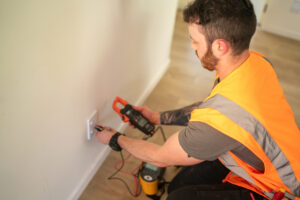
Using a qualified electrician provides confidence that the existing circuit will be assessed, the correct materials will be used and the completed work will be tested.
A professional can also identify whether the socket shortage is part of a wider issue. For example, an older property may need improvements to its consumer unit, earthing arrangements or wiring before the circuit is extended.
When should you arrange an electrical inspection?
A lack of sockets does not always mean that the property needs a full inspection. However, an assessment is sensible when the socket shortage is combined with other concerns.
Arrange professional advice if you notice:
- Circuit breakers or protective devices tripping repeatedly
- Buzzing or crackling from sockets
- Plugs that fit loosely
- Scorch marks or melted accessories
- A burning smell
- Damaged or brittle wiring
- Very old socket designs
- Flickering lights when appliances are switched on
- Extension leads becoming hot
- Several rooms relying heavily on adaptors
These symptoms should not be ignored. Stop using any socket or accessory that appears damaged or overheated until it has been checked.
Frequently Asked Questions
How many appliances can I plug into one extension lead?
There is no safe answer based solely on the number of appliances. You need to consider their combined electrical demand and the rating of the extension lead. Several low-powered devices may be acceptable, while two high-powered appliances could overload it.
Can I plug an extension lead into another extension lead?
No. Daisy-chaining extension leads increases the risk of overloading and overheating. Use one suitable lead temporarily or arrange for a socket to be installed closer to the equipment.
Is it safe to leave an extension lead switched on overnight?
Only leave equipment connected when necessary and when the lead is suitable, undamaged and not overloaded. Appliances that do not need continuous power should be switched off and unplugged according to their manufacturer’s guidance.
Can I run an extension lead underneath a carpet?
This should be avoided. The cable can be damaged by foot traffic or furniture, while the carpet may hide deterioration and trap heat. A better socket position may remove the need to route a cable across the floor.
Do extra sockets increase my electricity use?
Sockets do not consume significant electricity simply because they have been installed. Your electricity use depends on the appliances connected and how long they operate. However, the circuit must still be capable of supporting the expected demand.
How long does it take to add a new socket?
The time required depends on the wall construction, cable route, circuit condition and number of sockets being installed. A straightforward addition may be relatively quick, while concealed wiring or circuit upgrades can make the work more involved.
Choose a permanent solution when the need is permanent
Extension leads are useful for temporary and occasional situations, but they should not become the default electrical infrastructure of a home.
When leads remain connected permanently, cross walkways, supply high-powered appliances or are joined together to reach equipment, additional wall sockets are likely to provide a safer and more practical solution.
The work should begin with an assessment of the existing circuit rather than simply installing the greatest possible number of outlets. Correctly positioned sockets, suitable circuit protection and professional testing can help create an electrical installation that better reflects how the property is actually used.
For advice about adding extra plug sockets or checking an existing electrical installation, contact Big Fish Electrician.
Phone: 07789 214528
Email: mike.thomas@bigfishea.co.uk
Find out more: Big Fish Electrician